Energy security and sustainability of critical community infrastructure through the implementation of cogeneration technologies and the development of electrical networks
Energy security and sustainability of critical community infrastructure through the implementation of cogeneration technologies and the development of electrical networks
Total project budget
94 500 000 UAH
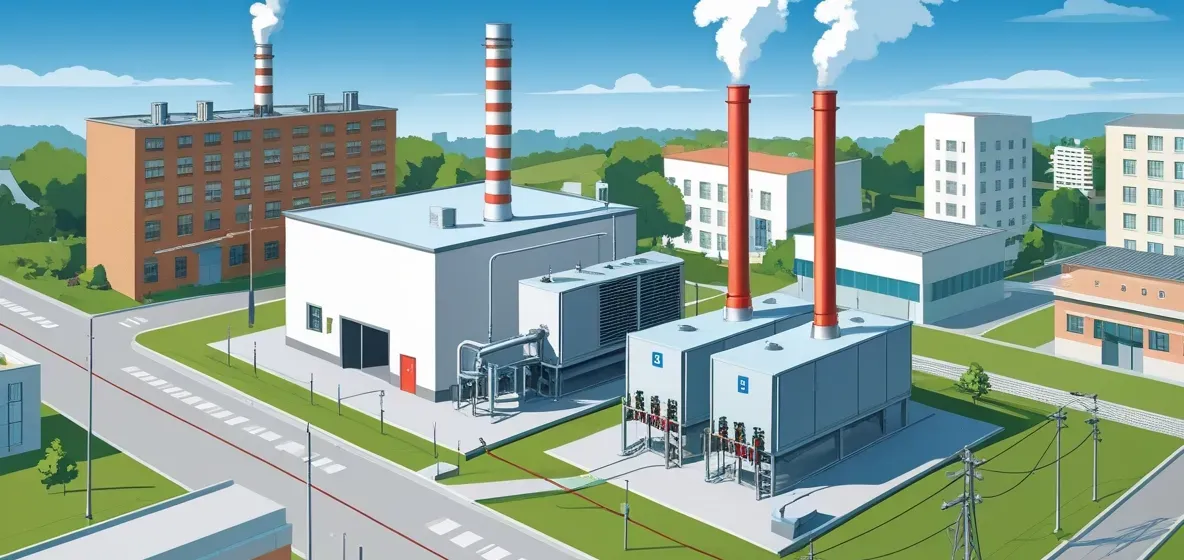
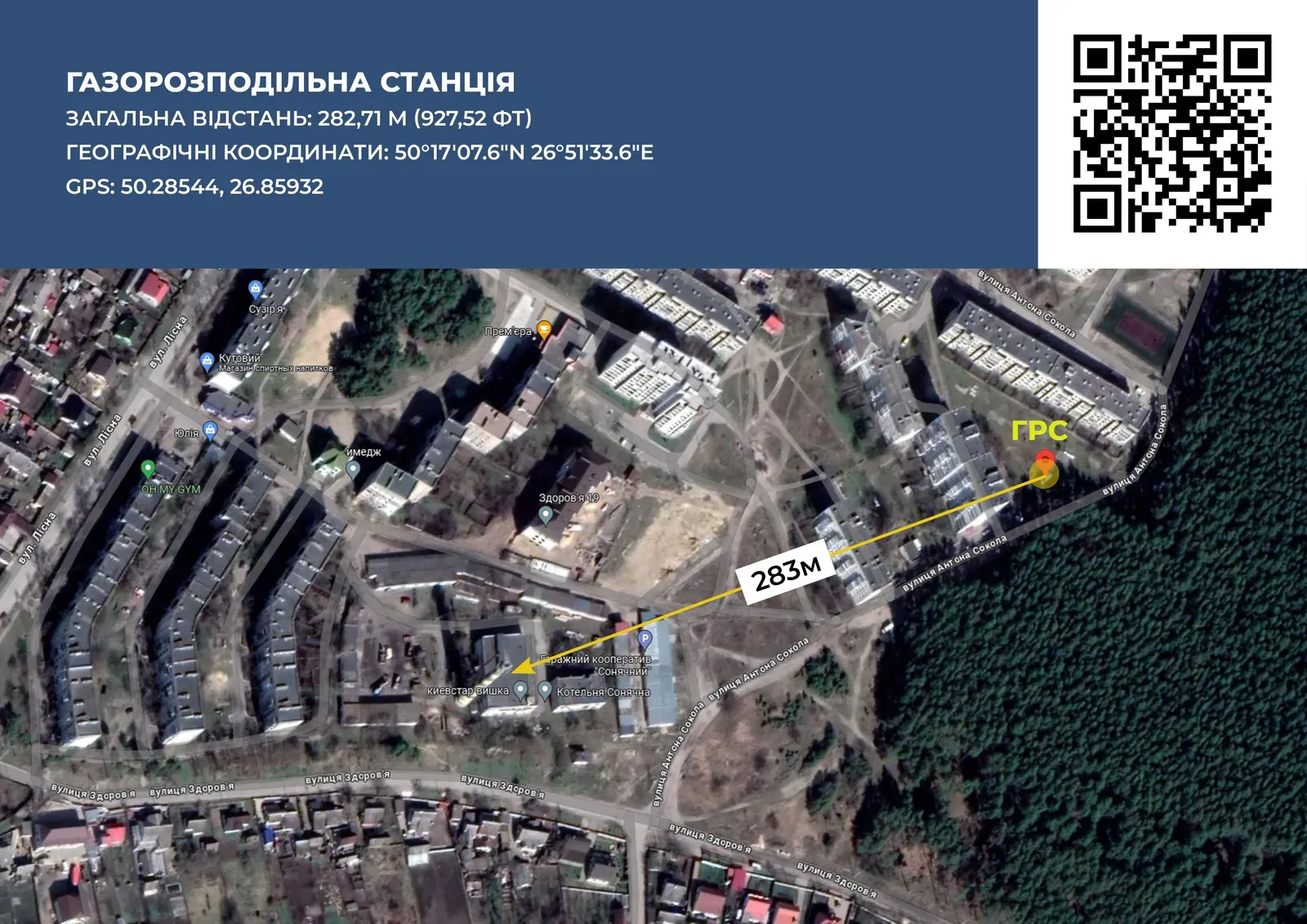
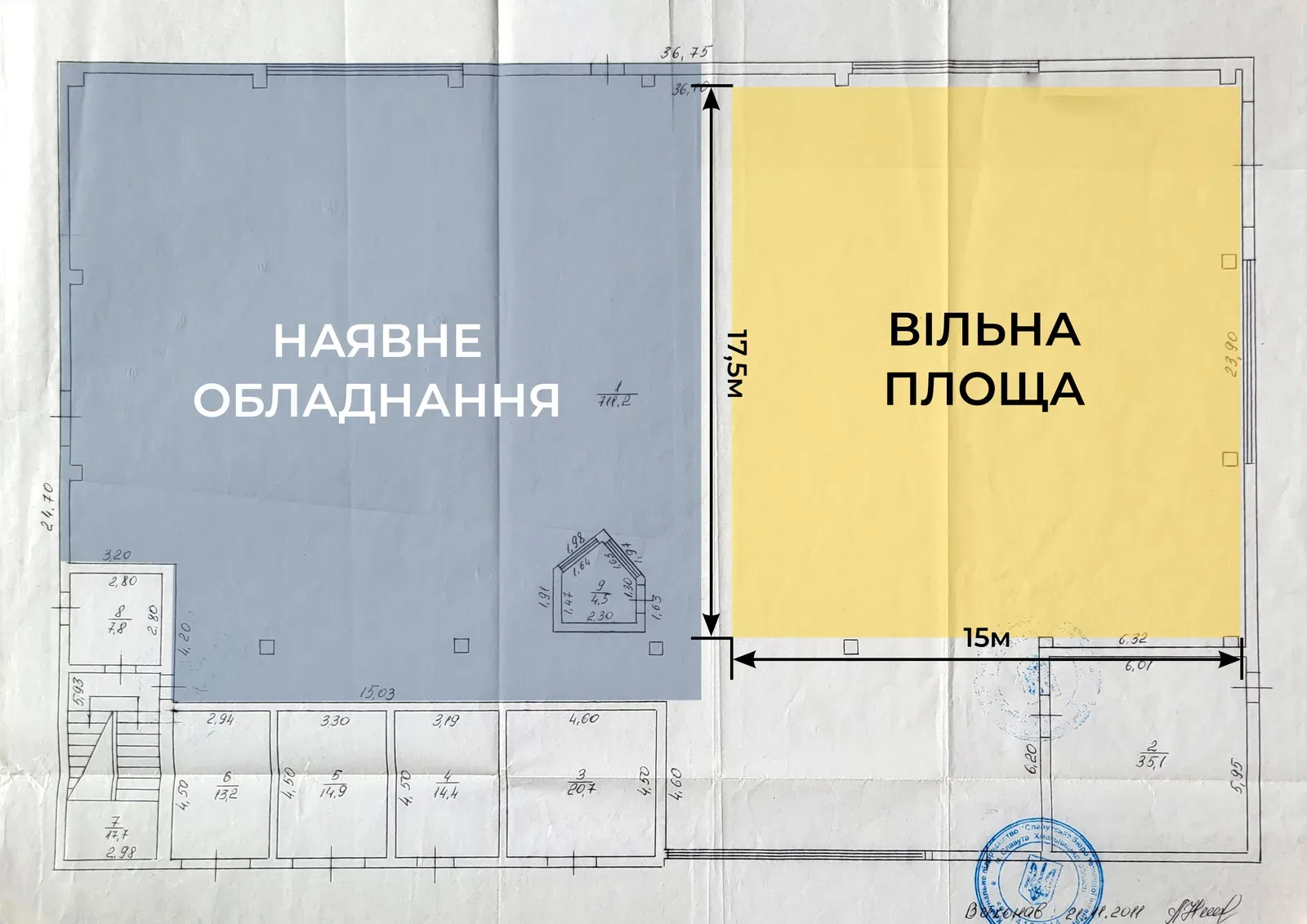
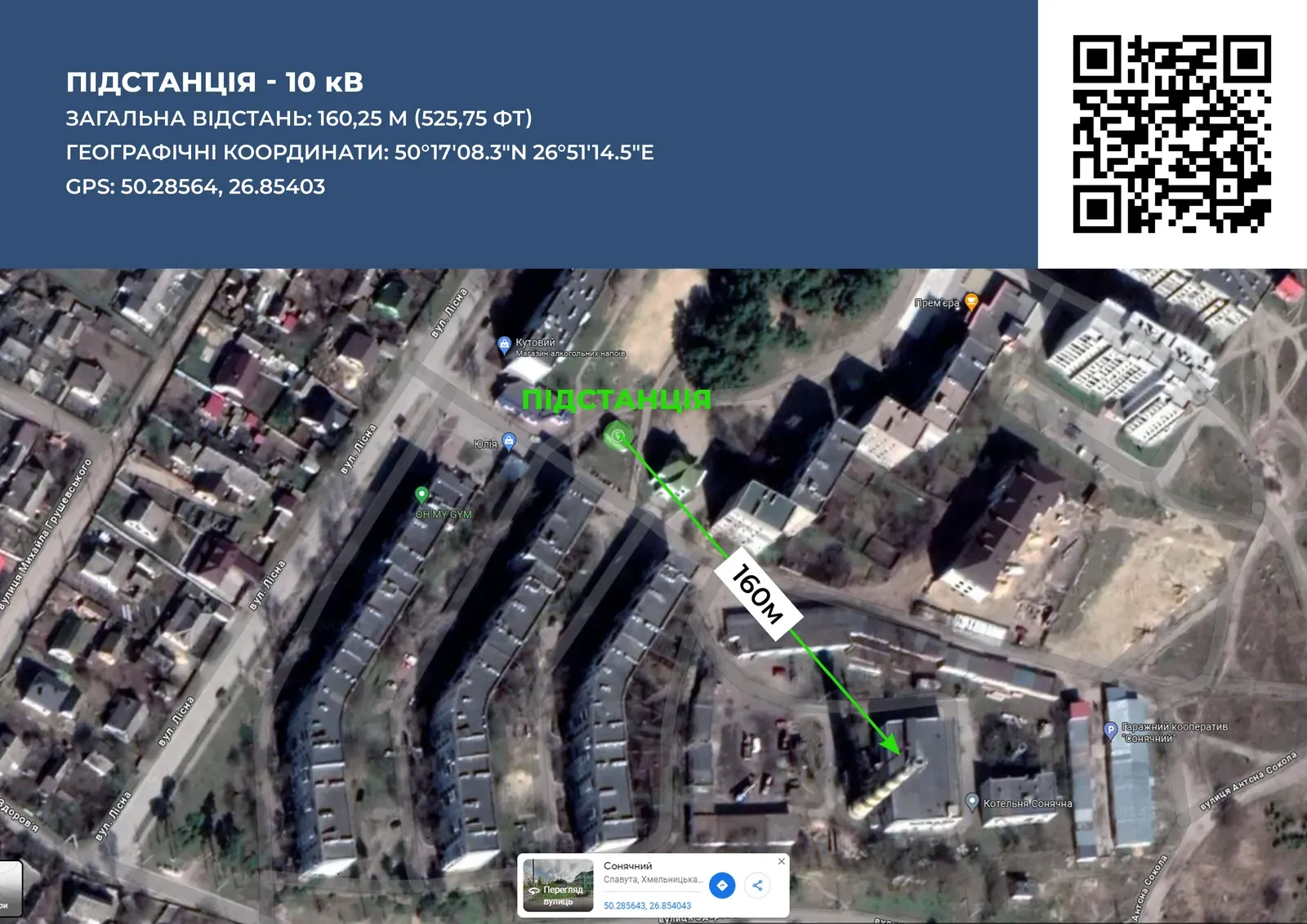
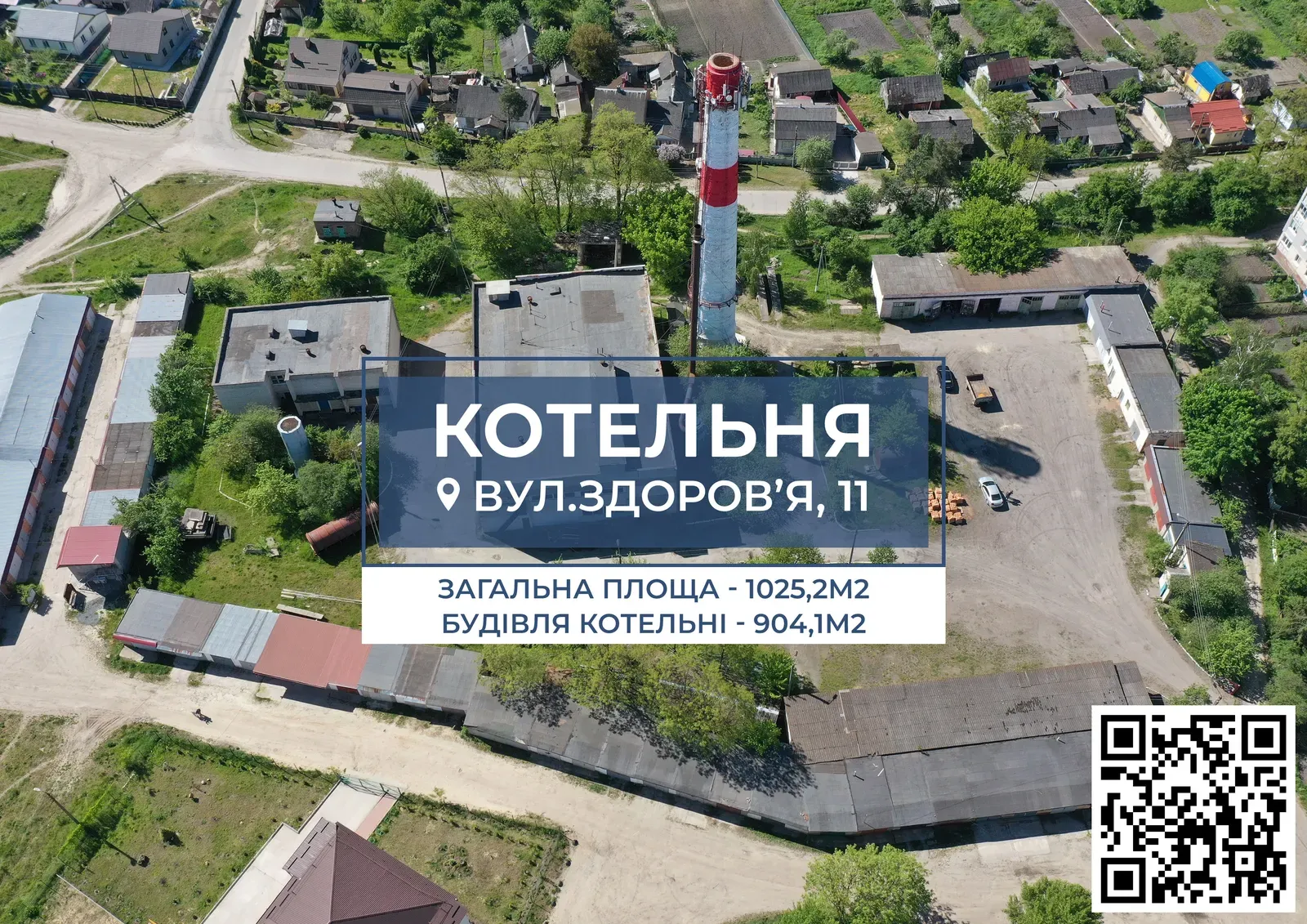
Project goal: The project is aimed at creating a reliable, autonomous and energy-efficient energy supply system for the community's critical infrastructure by installing a 2 MW cogeneration plant (CHP) at one of the city's boiler houses and gradually connecting key municipal facilities to it. The implementation of the project will allow the formation of a local energy cluster ("energy island"), which will ensure stable heat and electricity supply during peak loads or emergencies in external networks.
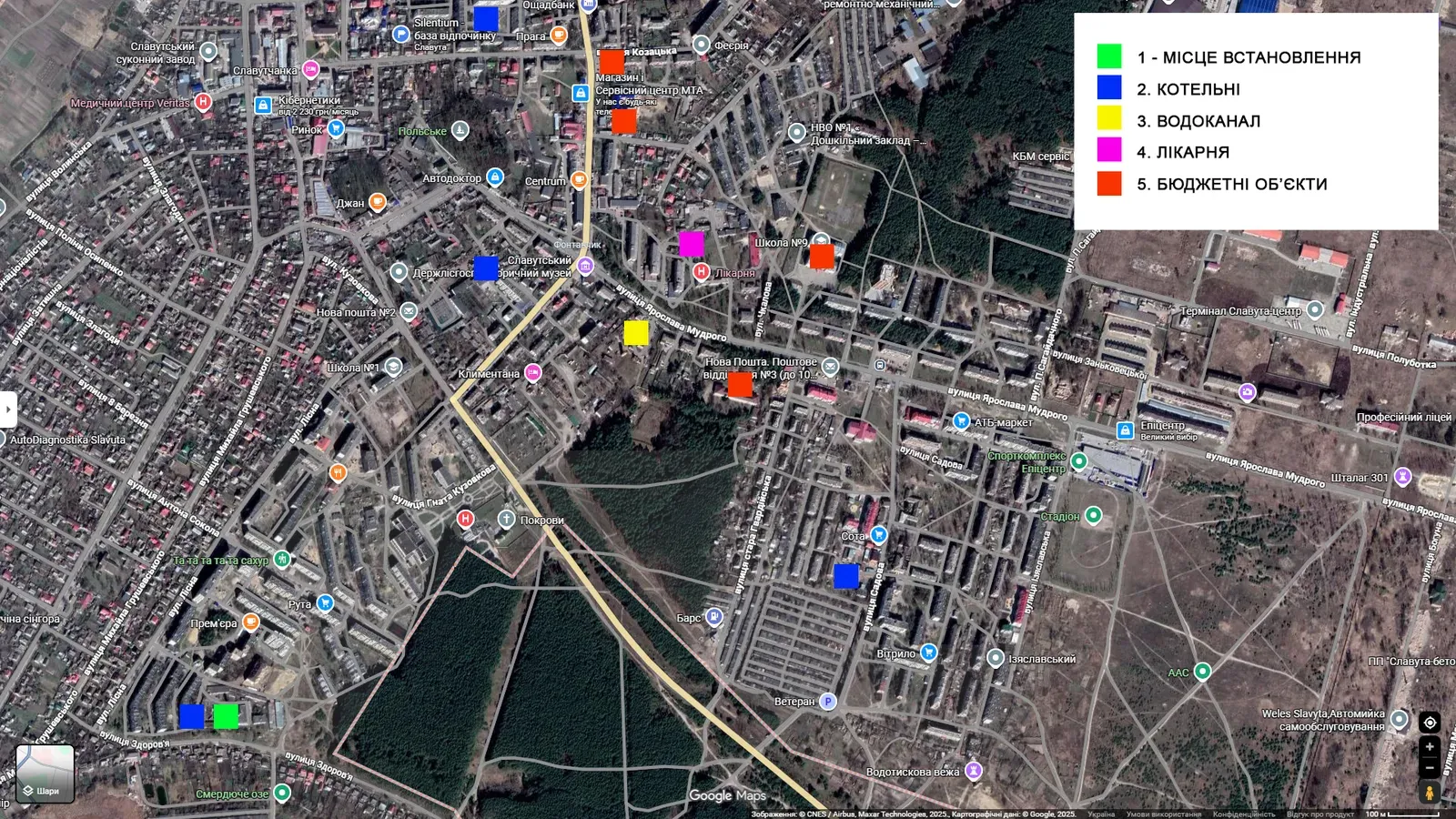
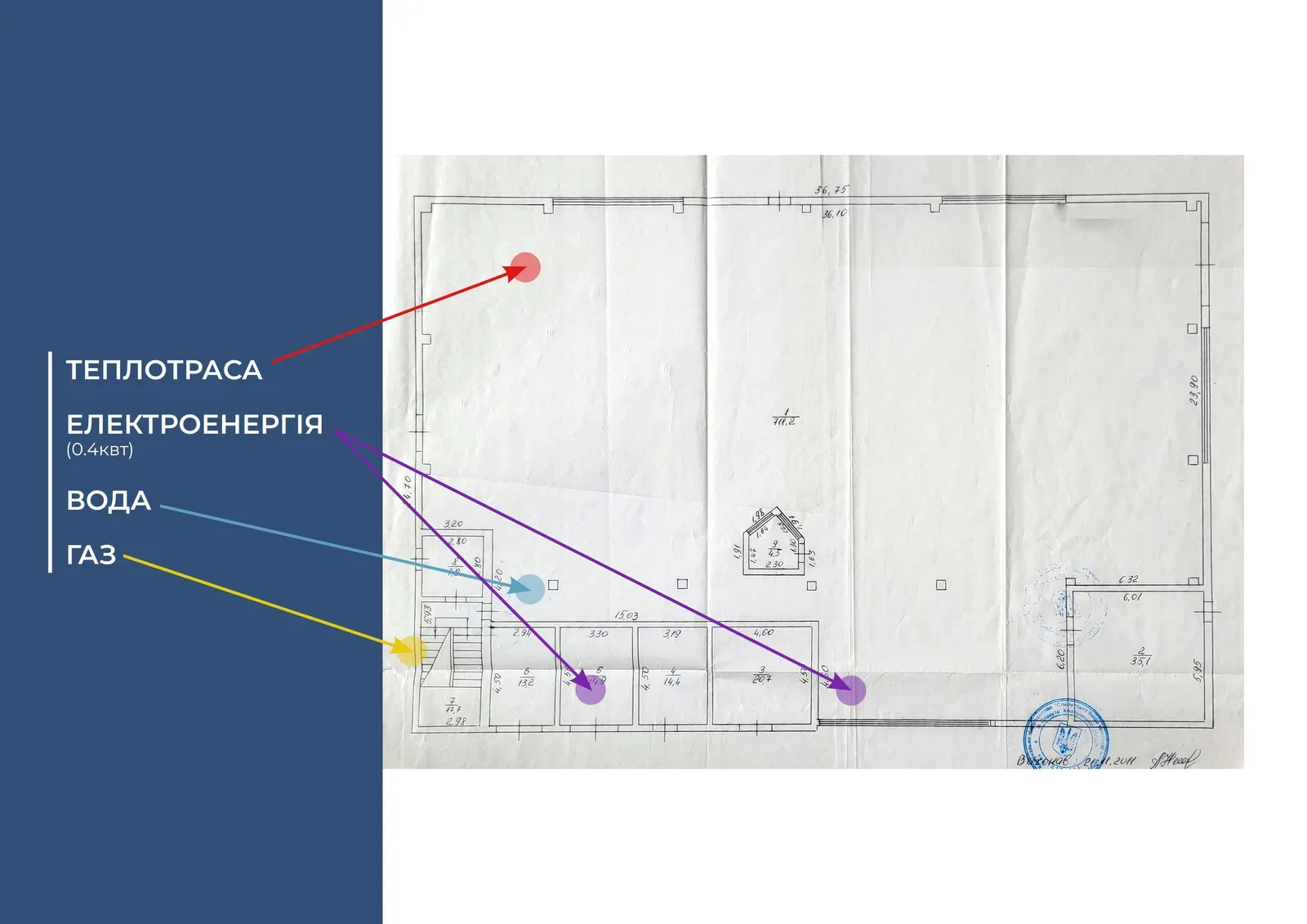
The main objectives of the project include the installation and integration of a cogeneration plant into the boiler house's heat supply system; the use of the generated heat for heating a residential area adjacent to the boiler house, which will increase overall efficiency and reduce the cost of heat production; the use of the generated electricity to power critical community infrastructure facilities (boiler houses, water utility, city hospital), and later - other budget institutions; construction and modernization of its own electrical networks to ensure flexible and safe energy distribution; creation of technical conditions for the expansion of the energy "island" and the connection of new consumers in the future.
The project is being implemented in stages, taking into account the technical and financial sequence of work. A number of preparatory steps have already been taken, which lay the foundation for further implementation: a feasibility study (FEO) has been developed in cooperation with the Association of Housing and Utilities Energy Auditors, which confirmed the feasibility of installing a CHP and determined the basic parameters of the project; a preliminary connection scheme and the formation of an energy island have been developed, which allows for the localization of critical facilities and their provision with backup power in the event of a disconnection from external networks; an audit of energy consumption by the main community institutions (boiler houses, hospital, water utility) has been conducted, which made it possible to determine the priorities and sequence of connections; preparation of technical conditions for laying new cable lines and modernization of existing networks has begun.
Further implementation of the project involves the development of design and estimate documentation, procurement procedures, installation and commissioning, as well as the phased connection of facilities to the newly created energy hub. This approach will ensure increased energy security, sustainability and efficiency of the functioning of the community's critical infrastructure, especially in the autumn-winter period and in conditions of possible crisis scenarios.