Major renovation of part of the building - the catering unit of the Netishyn Academic Lyceum of the Netishyn City Council, Shepetivsky District, Khmelnytsky Region at the address: Nezalezhnosti Avenue, Building 7, Netishyn, Shepetivsky District, Khmelnytsky Region
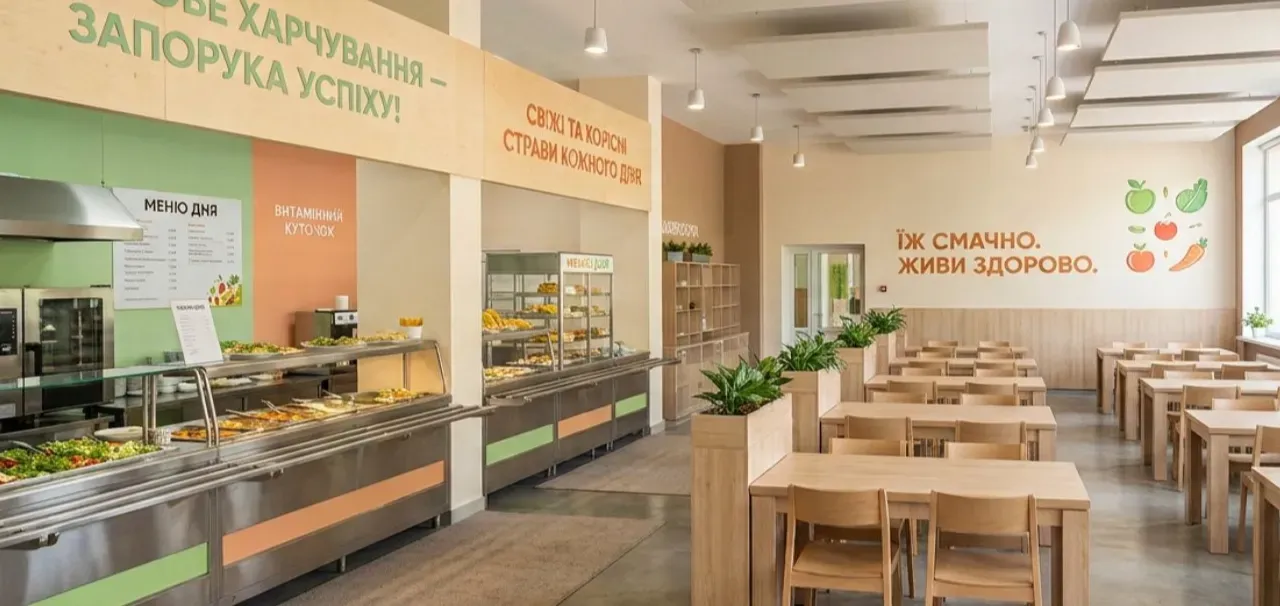
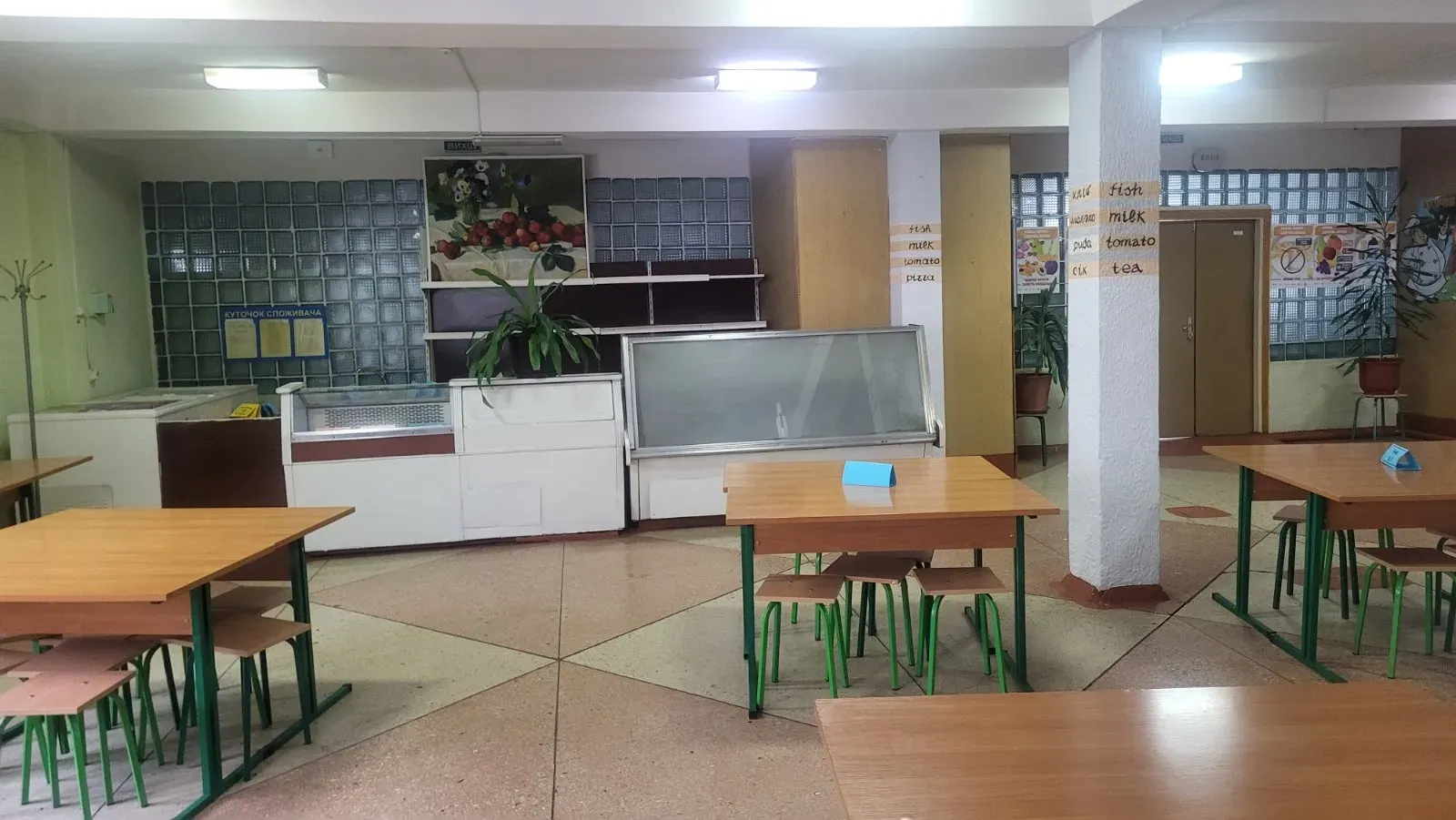
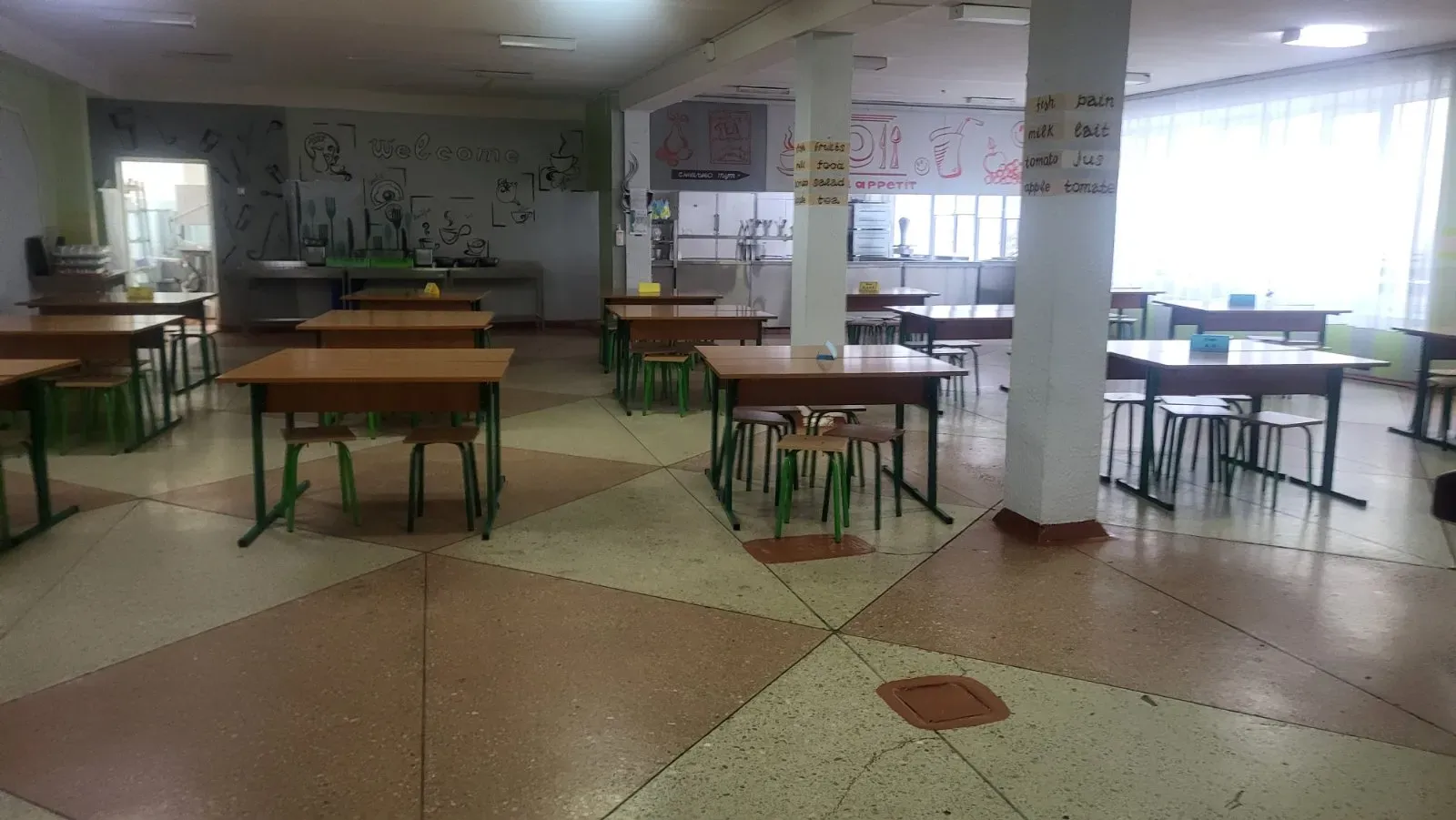
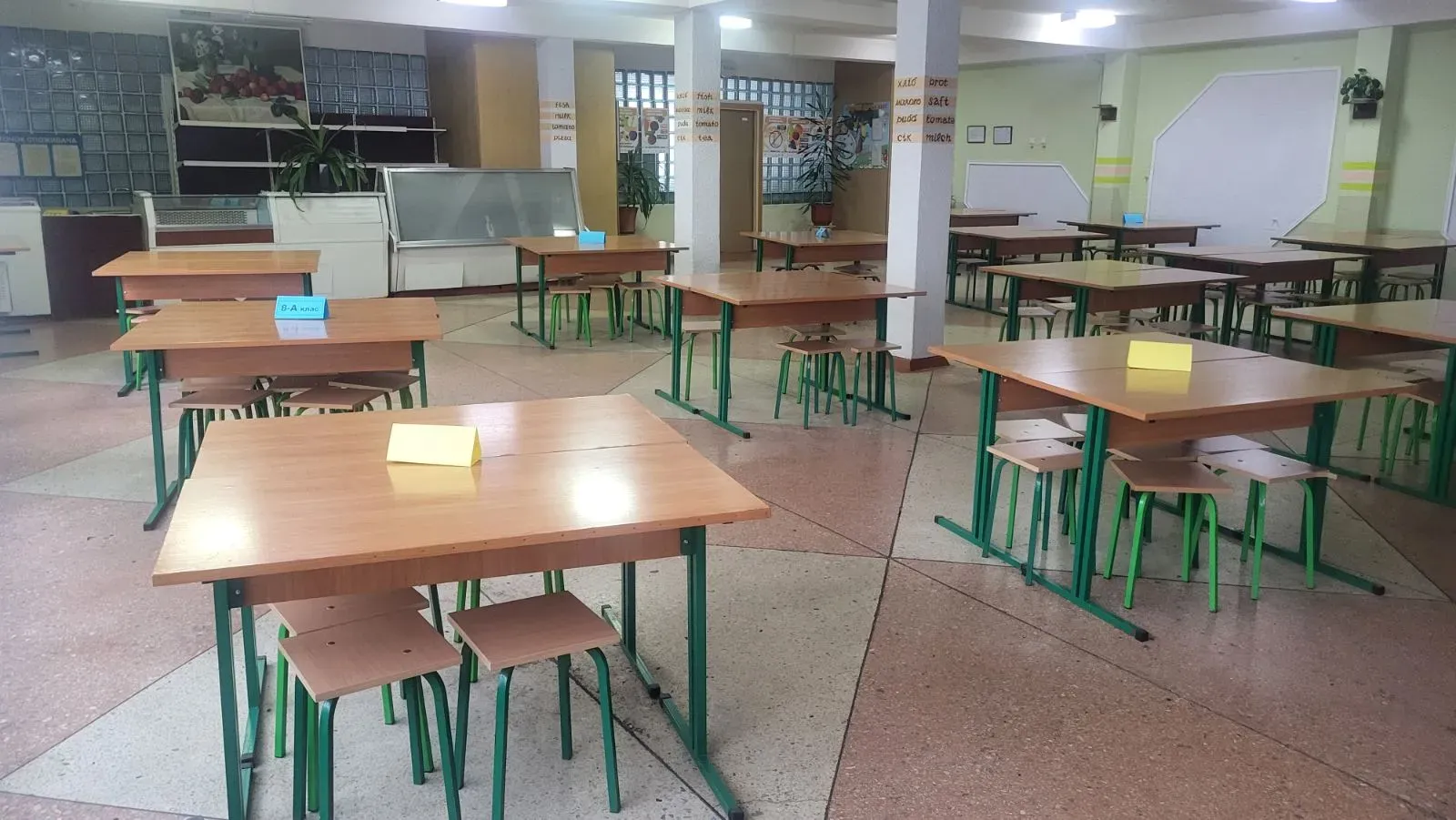
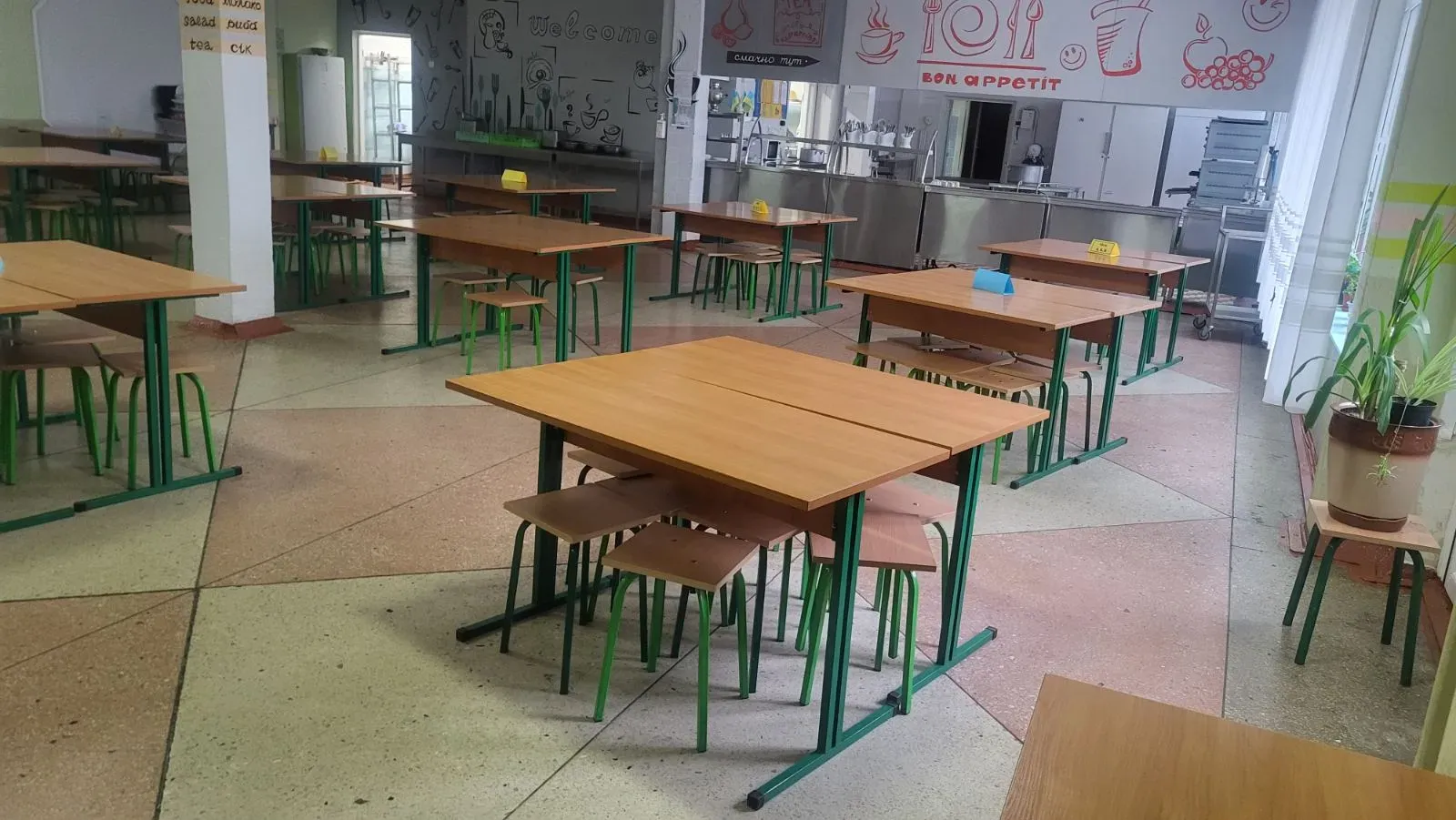
Major renovation of part of the building - the catering unit of the Netishyn Academic Lyceum of the Netishyn City Council, Shepetivsky District, Khmelnytsky Region at the address: Nezalezhnosti Avenue, Building 7, Netishyn, Shepetivsky District, Khmelnytsky Region
Total project budget
29 000 000 UAH
Project goal: The main goal of the public investment project is a radical transformation of the school nutrition system through the creation of a safe, high-tech and aesthetically attractive space for high school students. Visual and functional modernization is aimed at integrating modern nutritional standards, strict compliance with the requirements of the HACCP system and full implementation of the principles of barrier-free and inclusion. The implementation of this goal is achieved through the synergy of technological, architectural, spatial and organizational solutions, which are grouped according to four key vectors, namely: preserving health and promoting high-quality nutrition through the implementation of an updated, rationally balanced menu adapted to the physiological needs of high school students, increasing the proportion of micronutrients, vitamins, fiber and other nutrients in the diet and forming sustainable healthy eating habits among young people; guaranteeing absolute process safety due to full compliance of the entire production cycle with the strict requirements of current sanitary legislation, integration and systematic control of critical points in accordance with international food safety standards HACCP, clear separation of raw material and finished product flows to prevent cross-contamination; energy efficiency and optimization of operating costs through a comprehensive update of the technological equipment fleet in favor of modern energy-saving models, a significant reduction in the burden on the institution's budget due to a reduction in electricity and water consumption and an increase in the overall environmental friendliness and profitability of the catering unit's production processes; inclusiveness and universal design due to the creation of unhindered access to the food receiving area for students of all categories, in particular for low-mobility groups of the population, adaptation of the height, configuration and ergonomics of the distribution lines to the needs of each child, ensuring equal opportunities and comfort for each participant in the educational process without discrimination.