Purchase of a school bus
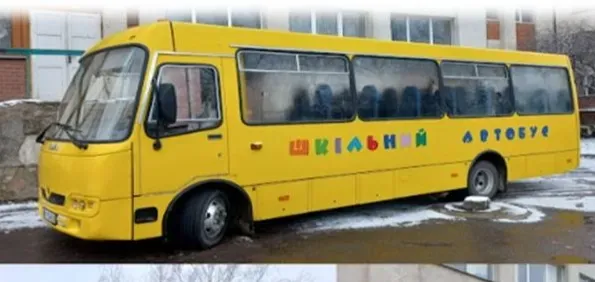
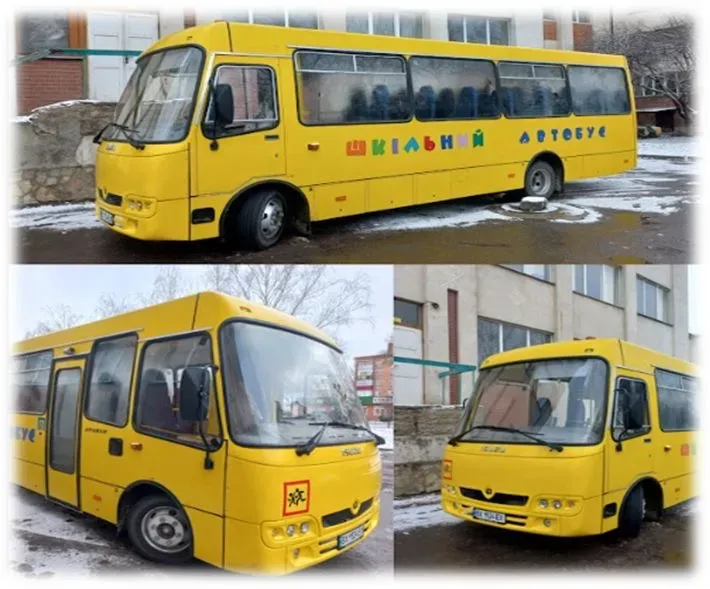
Purchase of a school bus
Total project budget
4 001 000 UAH
Project goal: The aim of the project is to purchase a new, modern school bus that will meet high standards of safety, environmental friendliness, comfort and cost-effectiveness to ensure high-quality transportation of students to educational institutions. The main goal is to improve the conditions for safe and comfortable transportation of students, reduce operating costs for transport services, and contribute to reducing the environmental burden through the use of more environmentally friendly vehicles.
The project also aims to reduce the burden on the city's transport infrastructure, improve the conditions for transporting students in the face of a constantly growing number of children who need transportation, and reduce the risks associated with the operation of outdated vehicles. Method of achieving the goal:
Analysis of needs and requirements:
Conducting a detailed analysis of current needs for student transportation, determining the optimal number of seats in the bus, requirements for safety, comfort and environmental friendliness.
Consultations with educational institutions, parents and other stakeholders to determine the most relevant requirements for a new bus.
Supplier and bus type selection:
Conduct a tender or request for proposals among bus suppliers, taking into account the required characteristics: the presence of safety systems (e.g. video surveillance, anti-lock braking system), environmental standards (low CO2 emissions), fuel efficiency, comfort for students.
Selection of the supplier that can offer the most favorable conditions in terms of price, quality and delivery time.
Purchase and delivery of the bus:
Signing a contract with the selected supplier and organizing the process of purchasing and delivering the bus.
Determining the requirements for maintenance and warranty obligations of the supplier.
Preparation for operation:
Conducting the necessary training for drivers and accompanying personnel on the specifications of the new bus, as well as safety rules for transporting students.
Conducting the first inspection of the bus after delivery to verify its compliance with the declared technical characteristics.
Monitoring and evaluation of performance:
Implementing a system for monitoring fuel costs and maintenance of the new bus to assess its economic efficiency.
Regular assessment of transportation safety and student and parent satisfaction with new transportation conditions through surveys and feedback.
Assessment of environmental impact, in particular, reduction of emissions and fuel consumption.
Implementation of additional measures:
If necessary, implementation of additional measures to improve transportation efficiency, such as route optimization or additional safety equipment. Expected results:
Increased transportation safety: Thanks to modern safety systems and comfortable conditions for students, the new bus will provide a high level of protection during transportation.
Cost reduction: The new transport will reduce maintenance and fuel costs compared to outdated buses.
Environmental improvement: The use of a bus with low emissions and high fuel efficiency will reduce the burden on the environment.
Student comfort: Thanks to comfortable seats, control systems and video surveillance, students will have more comfortable and safe travel conditions.
Transportation optimization: A modern bus with greater capacity will meet the growing needs for student transportation.