Reconstruction of electrical networks by installing a solar power plant on the roof of the Krasyliv Lyceum of the Krasyliv City Council at the address: 38-a Centralna St., Krasyliv, Khmelnytskyi district, Khmelnytskyi region
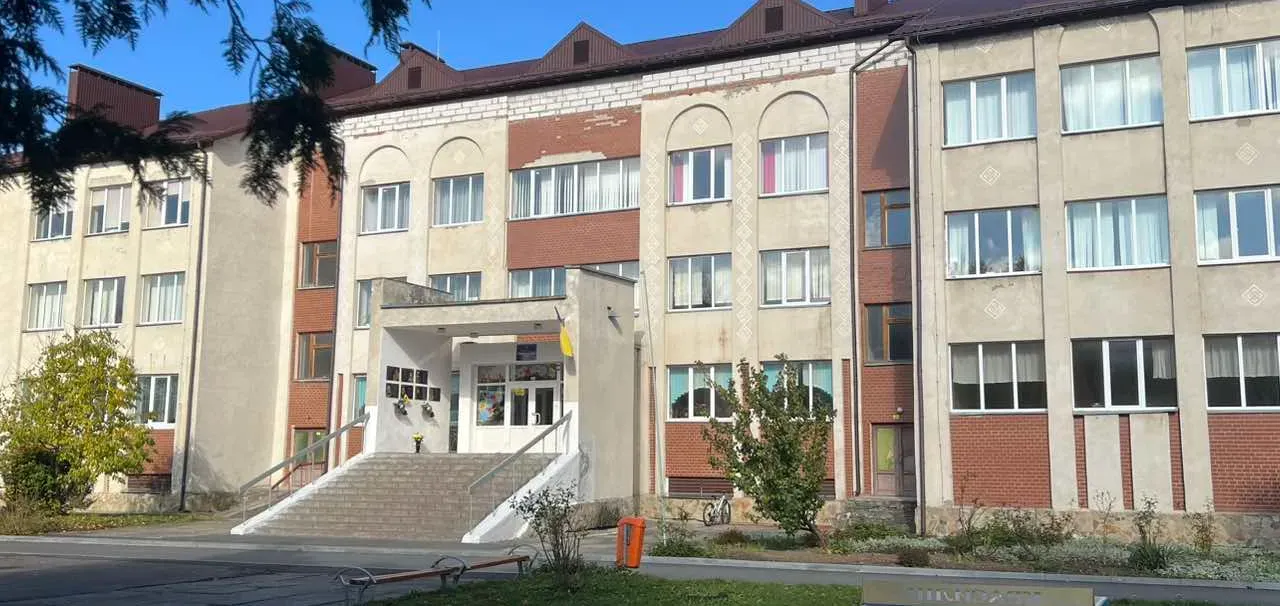
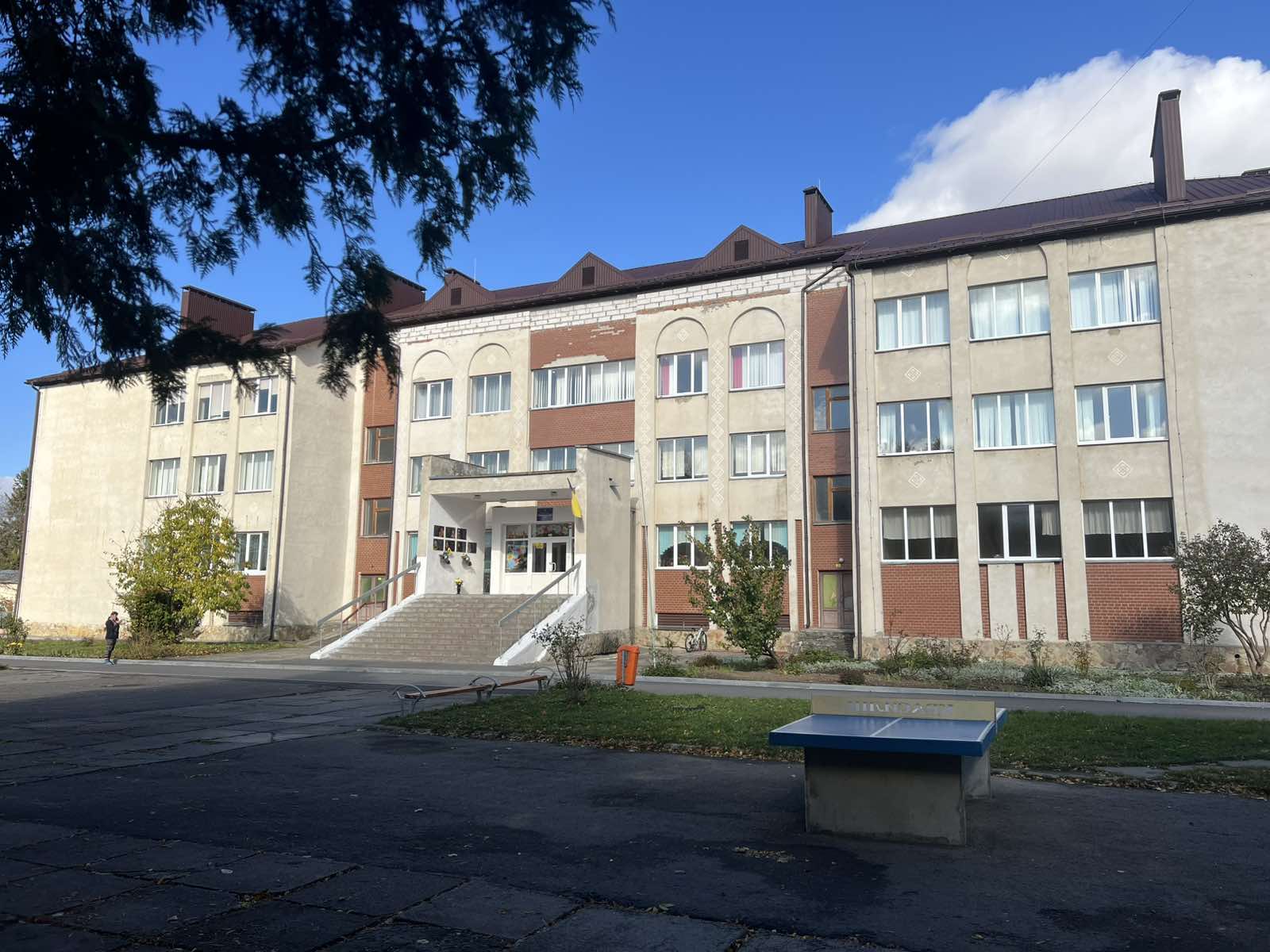
Reconstruction of electrical networks by installing a solar power plant on the roof of the Krasyliv Lyceum of the Krasyliv City Council at the address: 38-a Centralna St., Krasyliv, Khmelnytskyi district, Khmelnytskyi region
Total project budget
4 340 000 UAH
Project goal: The goal of the project is to increase the energy autonomy and reliability of the Krasyliv Lyceum's power supply by introducing renewable energy sources, as well as ensuring the continuity of the educational process in the event of possible emergency and planned power outages.
The project is aimed at creating a sustainable and safe energy infrastructure for the educational institution, reducing dependence on centralized power supply and optimizing electricity costs. In addition, the project contributes to the implementation of the principles of energy efficiency and environmentally responsible use of resources.
The achievement of this goal is envisaged by implementing a set of technical measures to reconstruct the building's electrical networks, in particular:
• installation of a rooftop solar power plant with an installed capacity of 60 kW;
• installation of photovoltaic modules with appropriate mounting structures;
• installation of inverter equipment for converting electricity;
• arrangement of an electrical energy storage system (batteries) to ensure consumption during periods of absence of external power supply;
• integration of the solar power plant into the building's internal power supply system with connection to the low-voltage switchboard;
• performance of commissioning work and ensuring proper technical quality control.
The generated electricity will be used exclusively for the institution's own needs in real time, which will ensure the functioning of critical building systems, including lighting, catering and other equipment.
As a result of the project, a reliable backup and partially autonomous power supply system will be created, which will ensure safe and stable living conditions for 625 students and 71 employees, reduce the risks of interruption of the educational process and increase the energy sustainability of the educational institution in the face of modern challenges.