Reconstruction of wastewater treatment facilities generated in industry, municipal services, and other sectors of the national economy: village of Zastavki, Krasylivska urban territorial community
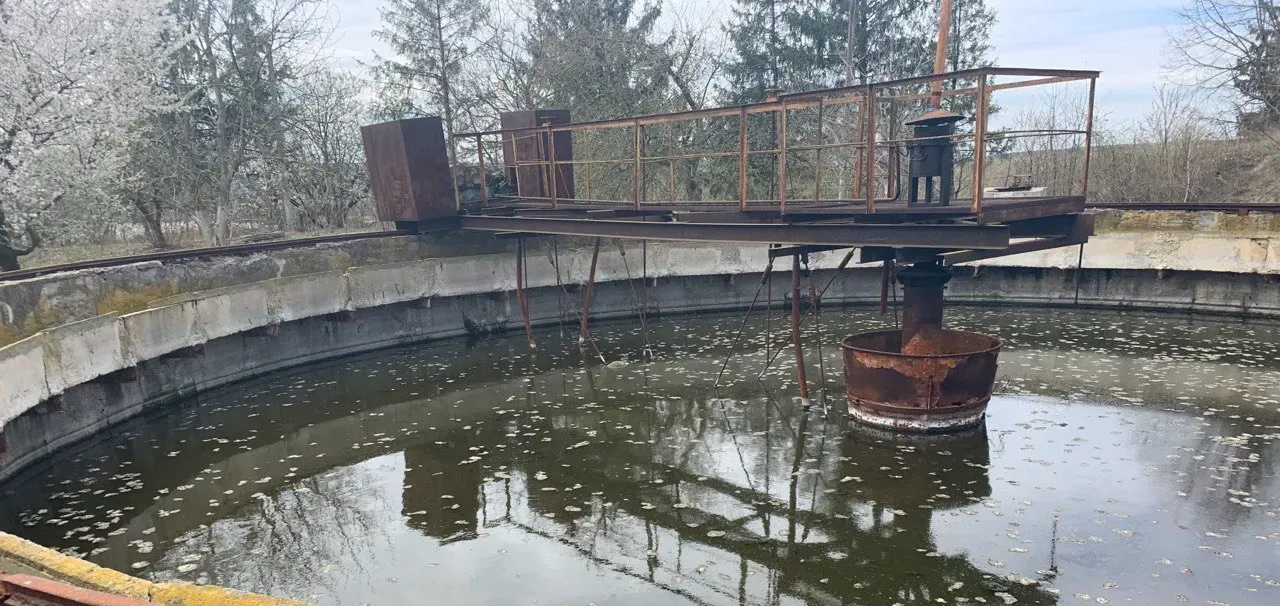
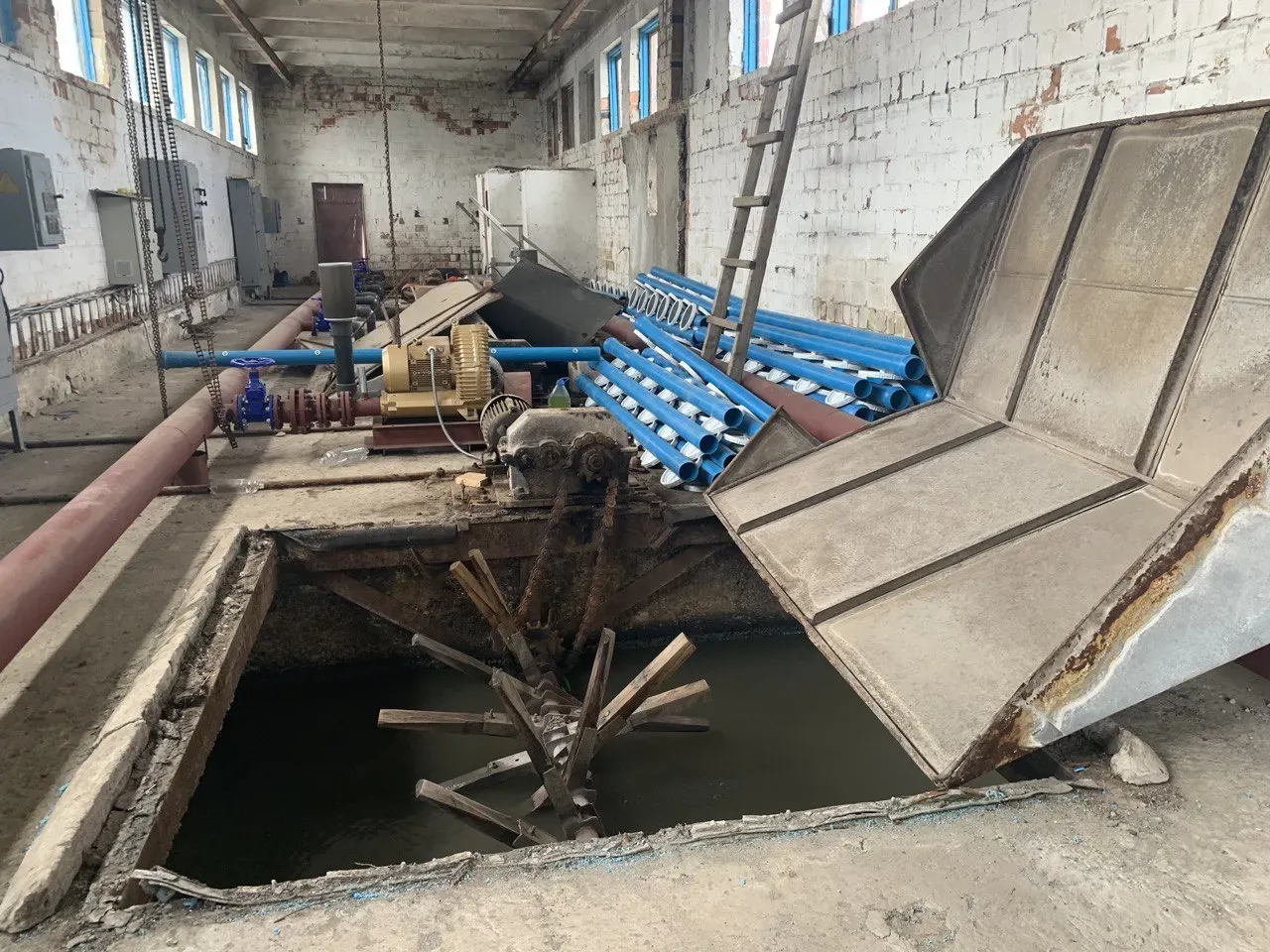
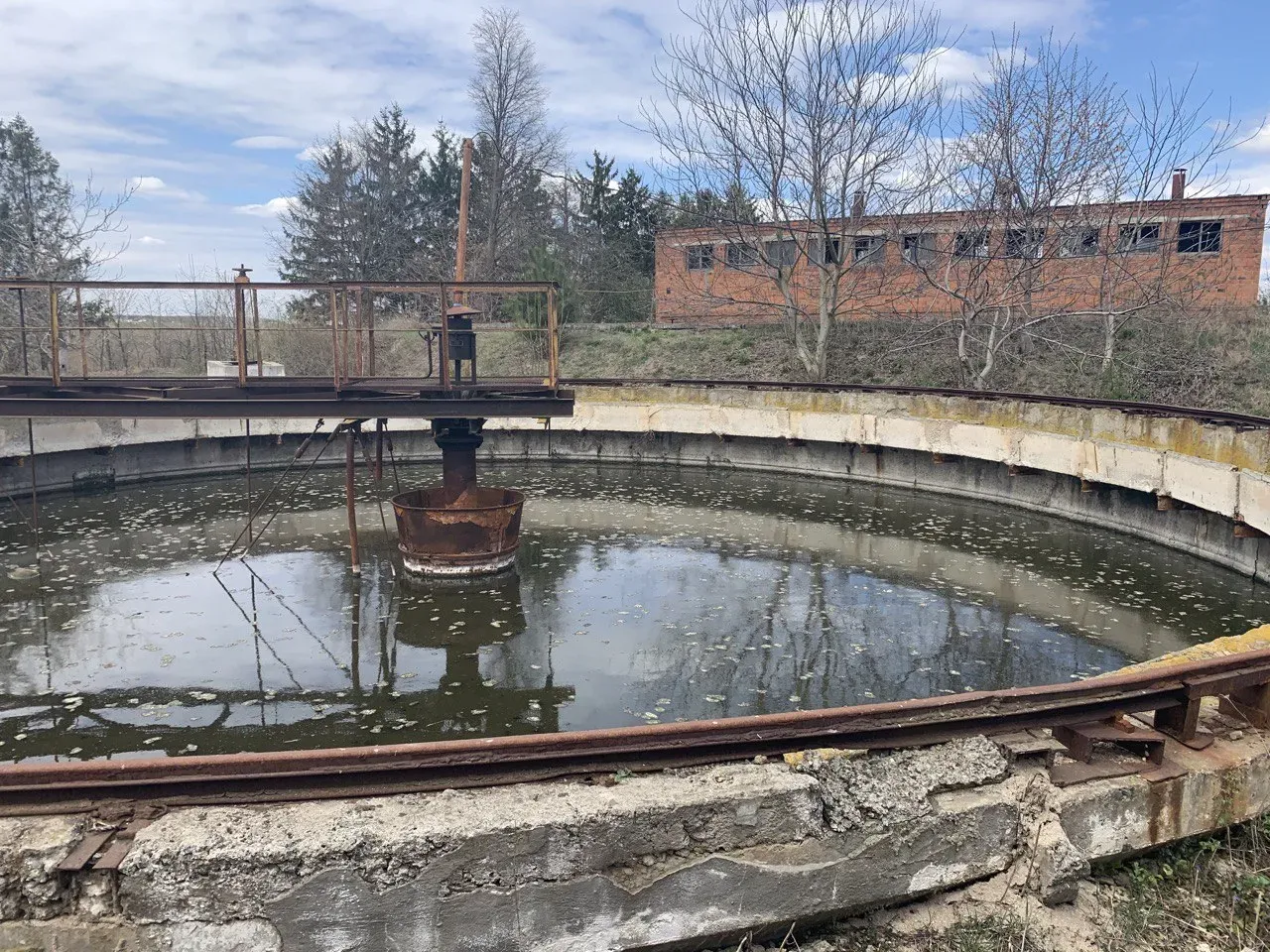
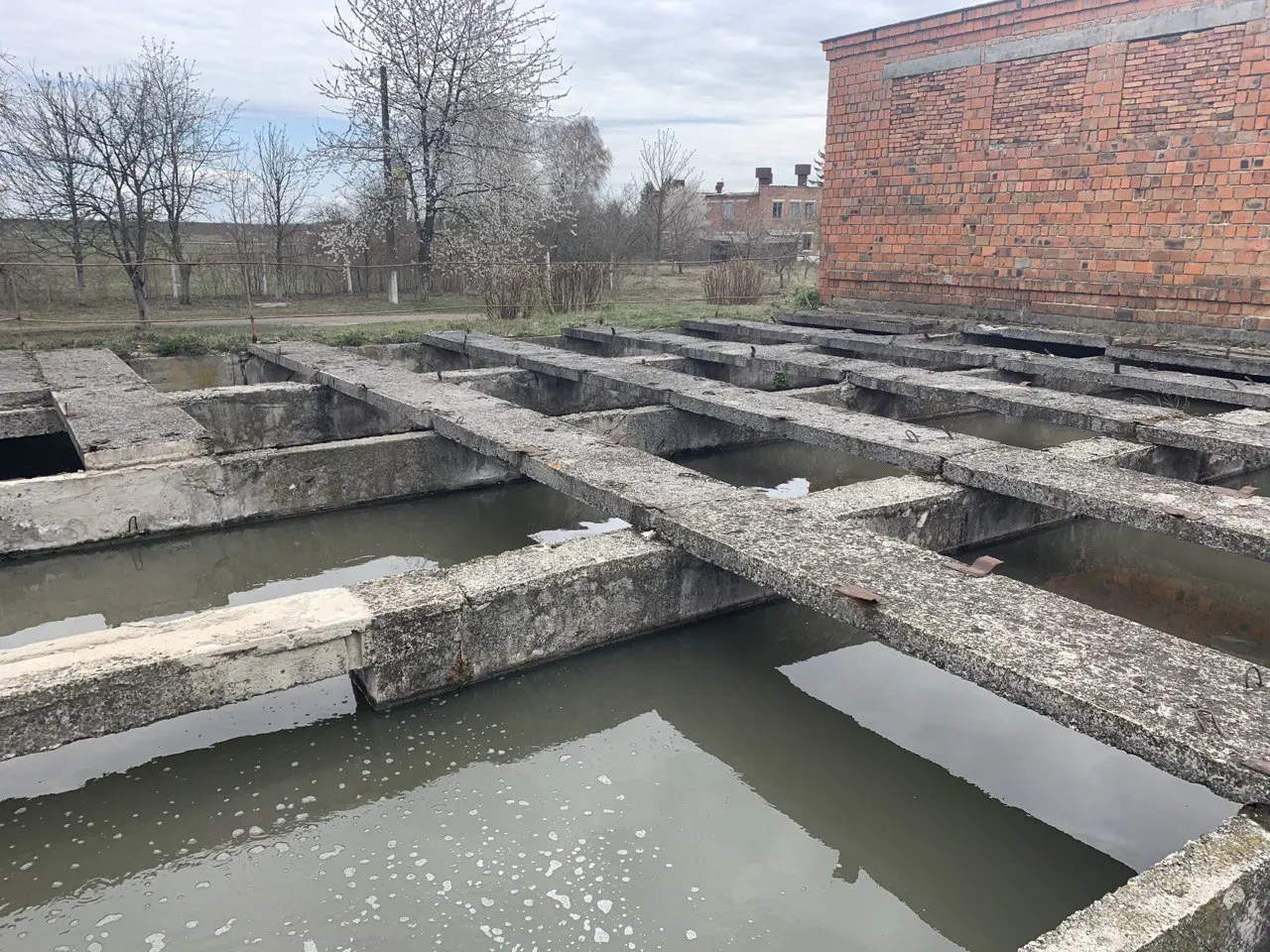
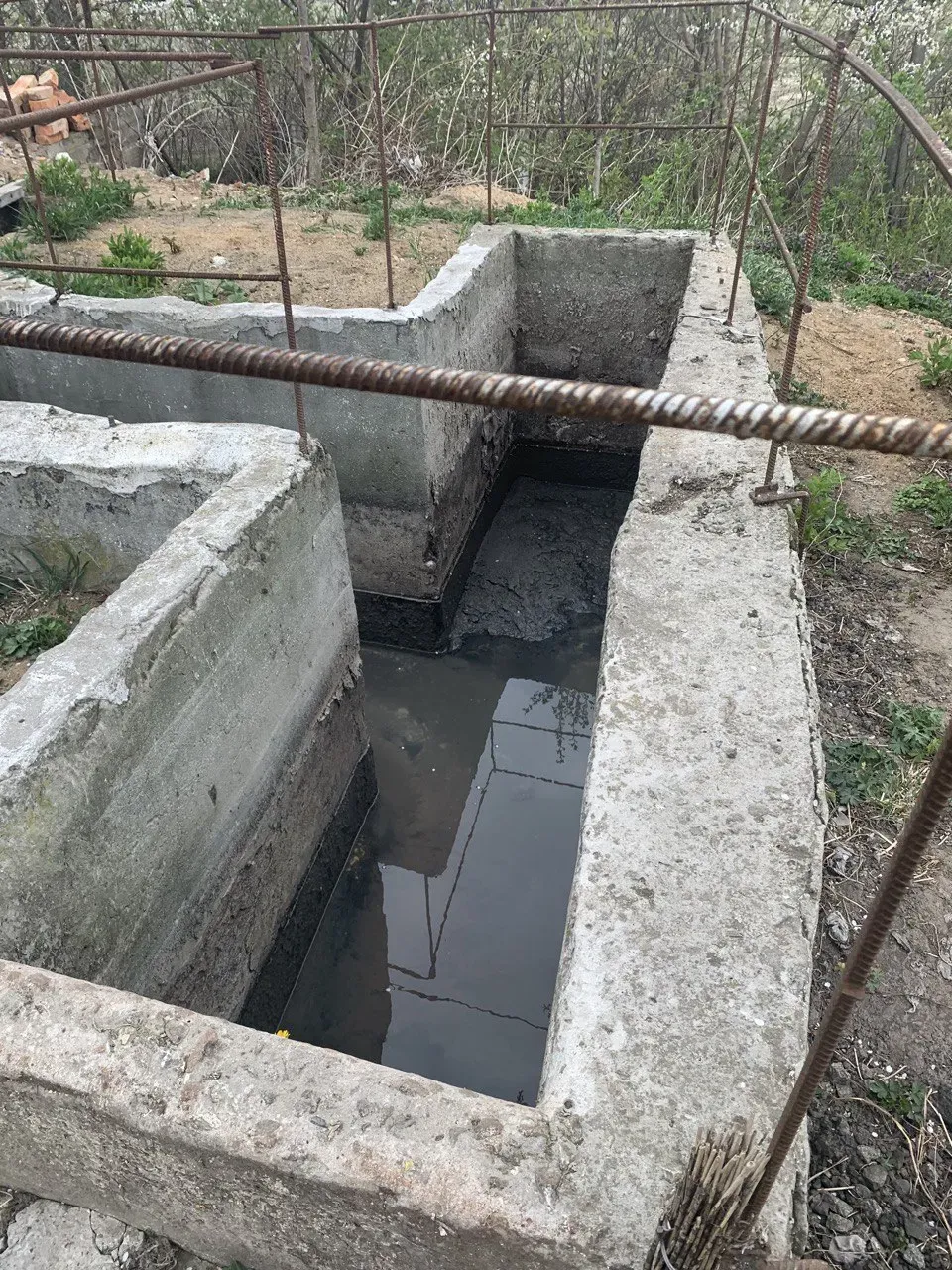
Reconstruction of wastewater treatment facilities generated in industry, municipal services, and other sectors of the national economy: village of Zastavki, Krasylivska urban territorial community
Total project budget
53 878 676 UAH
Project goal: Project objective: ensuring reliable operation of treatment facilities, including:
- environmental - high-quality wastewater treatment, prevention of negative environmental consequences, installation of modern units of complete mechanical treatment for sewage treatment facilities;
- economic - application of modern energy-saving technologies of biological treatment, which will improve wastewater treatment indicators and optimize energy consumption, introduction of modern technology of secondary treatment and disinfection of wastewater;
- social - reduction of social tension among community residents and improvement of the quality of life of the population.
Project implementation results:
1. Prevented environmental danger from the ingress of contaminated wastewater into water bodies, underground, groundwater and soil;
Complete wastewater treatment was carried out and the sanitary and epidemiological situation in the region was improved.
2. Full-fledged functioning of treatment facilities and drainage networks was ensured. Budget funds were saved that would have been used to eliminate emergencies in sewer networks and restore the natural state of territories polluted as a result of untreated wastewater.
3. The quality of services provided to the population, operational indicators and technical condition of buildings and engineering equipment were improved. River and land basins were restored, green tourism was developed and the quality of life of the region's residents was improved.
4. The ecological indicators of the region were restored and further negative impact of polluted wastewater on the population and the environment was prevented. The sanitary and epidemiological situation in the project implementation area was improved. Emissions of methane into the atmosphere, which is formed during the treatment of domestic wastewater, were reduced.
5. Reliable operation of treatment facilities was ensured. 6. Access to drinking water was ensured for residents of 8 rural settlements of the community.
7 The capacity of the treatment facilities is ensured: 3400 m3/day.