Modern educational space in Lyceum No. 17 of Kamianets-Podilskyi urban territorial community
Modern educational space in Lyceum No. 17 of Kamianets-Podilskyi urban territorial community
Total project budget
6 126 841 UAH
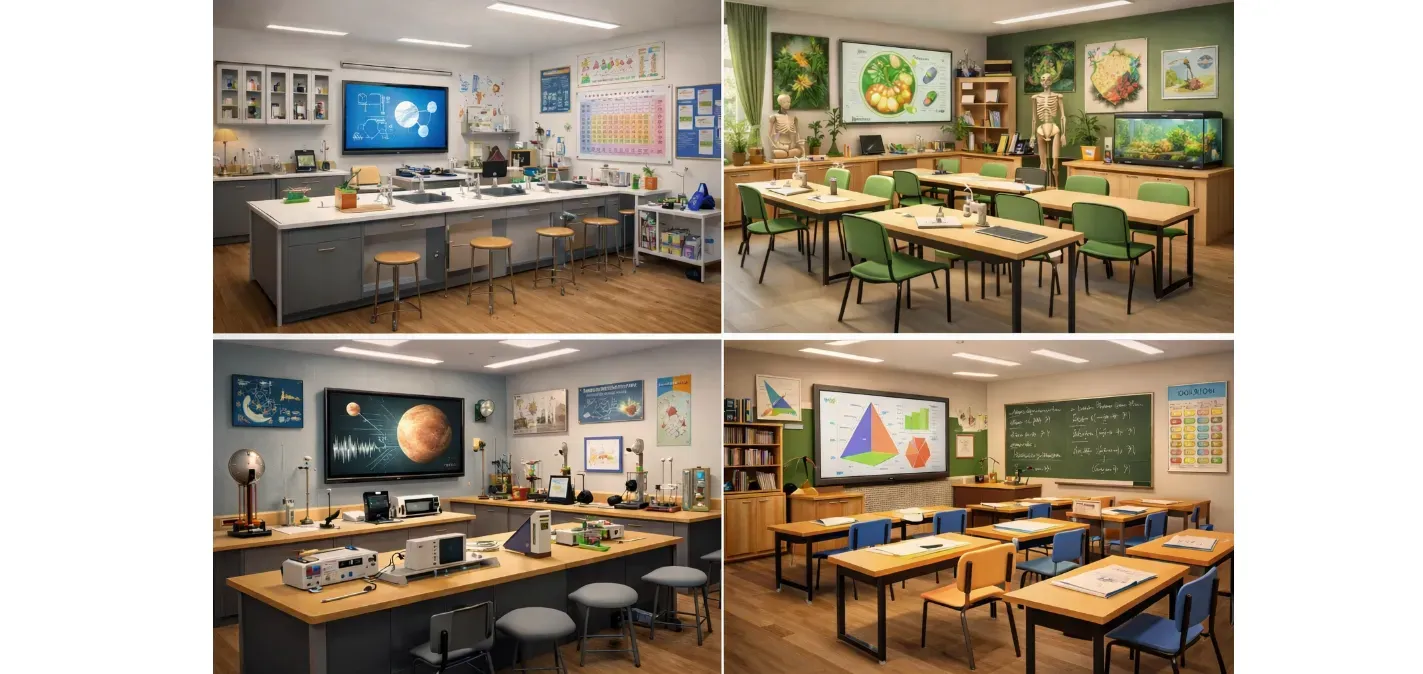
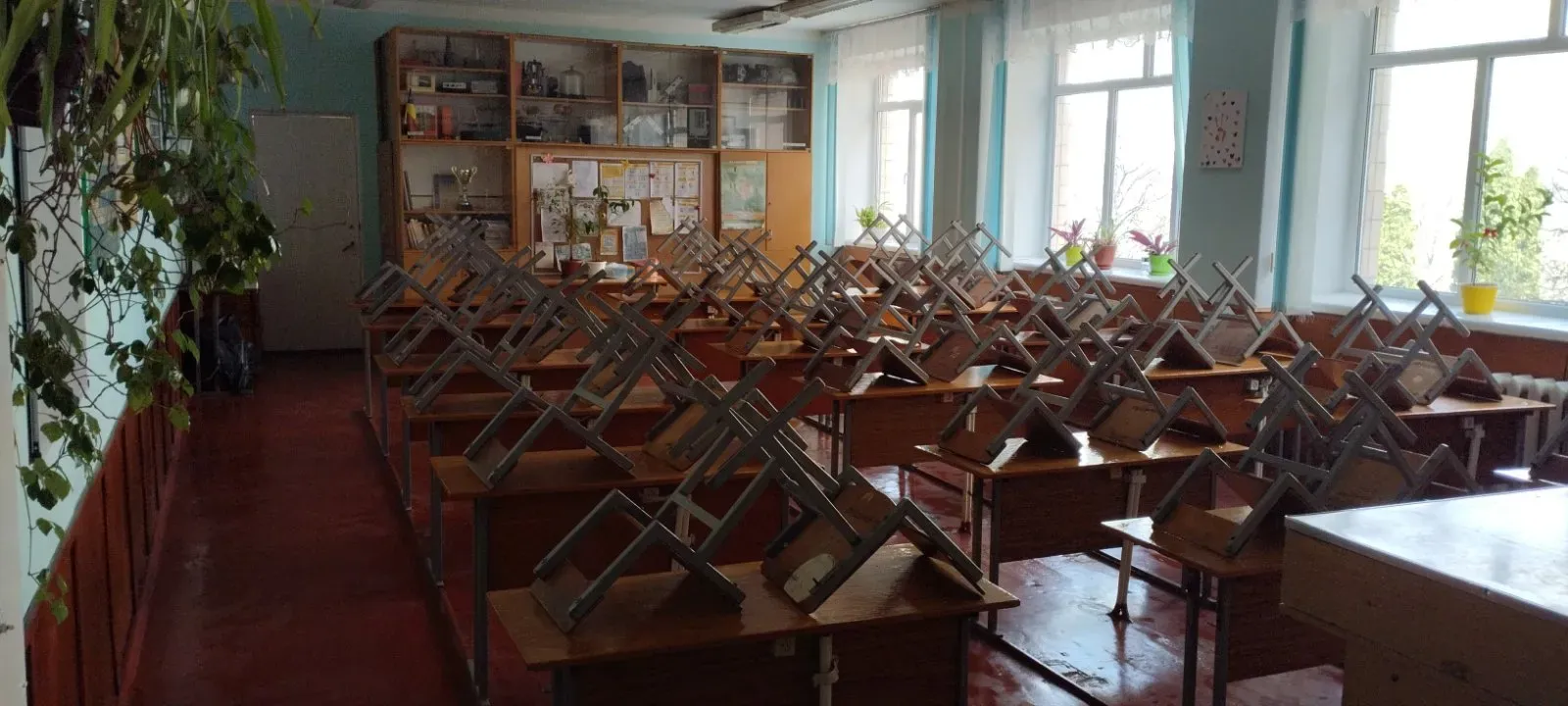
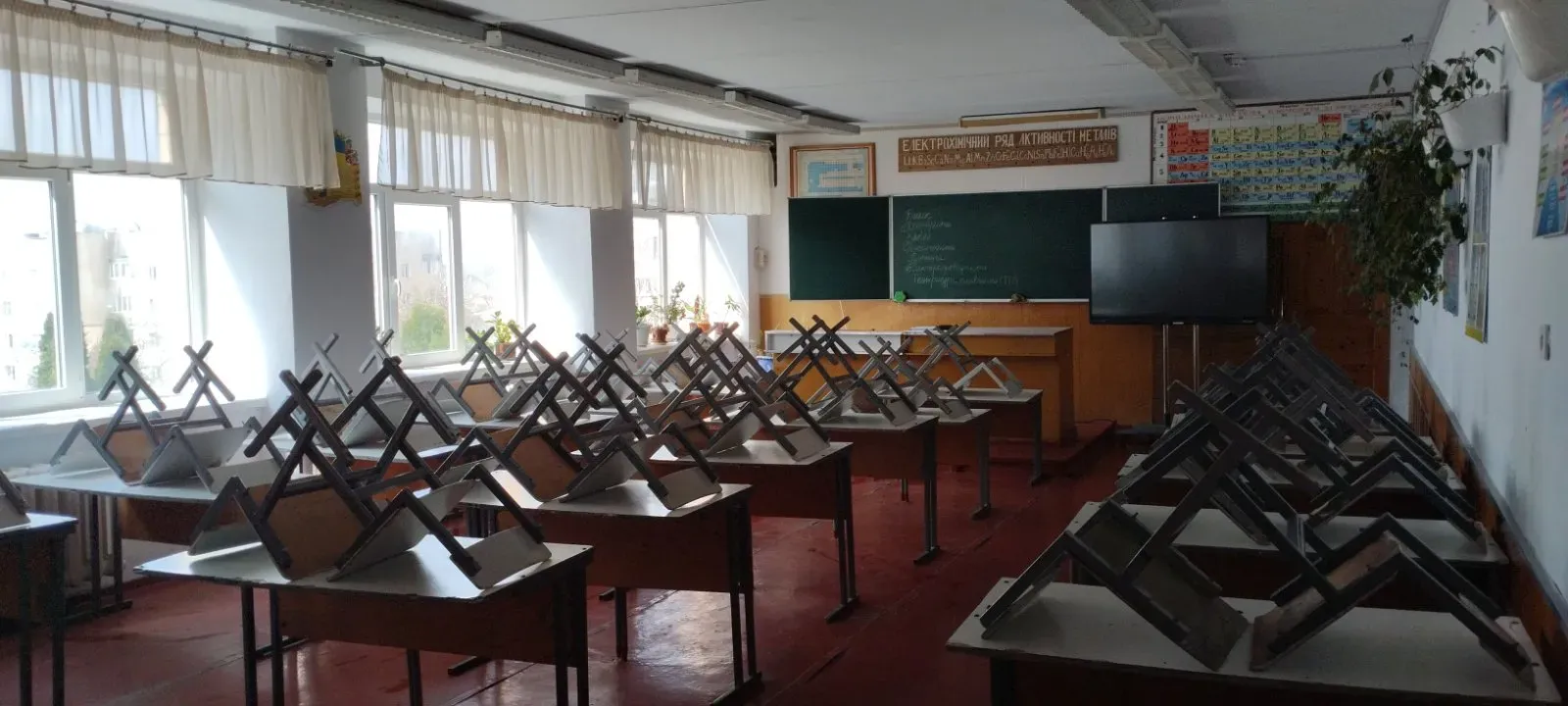
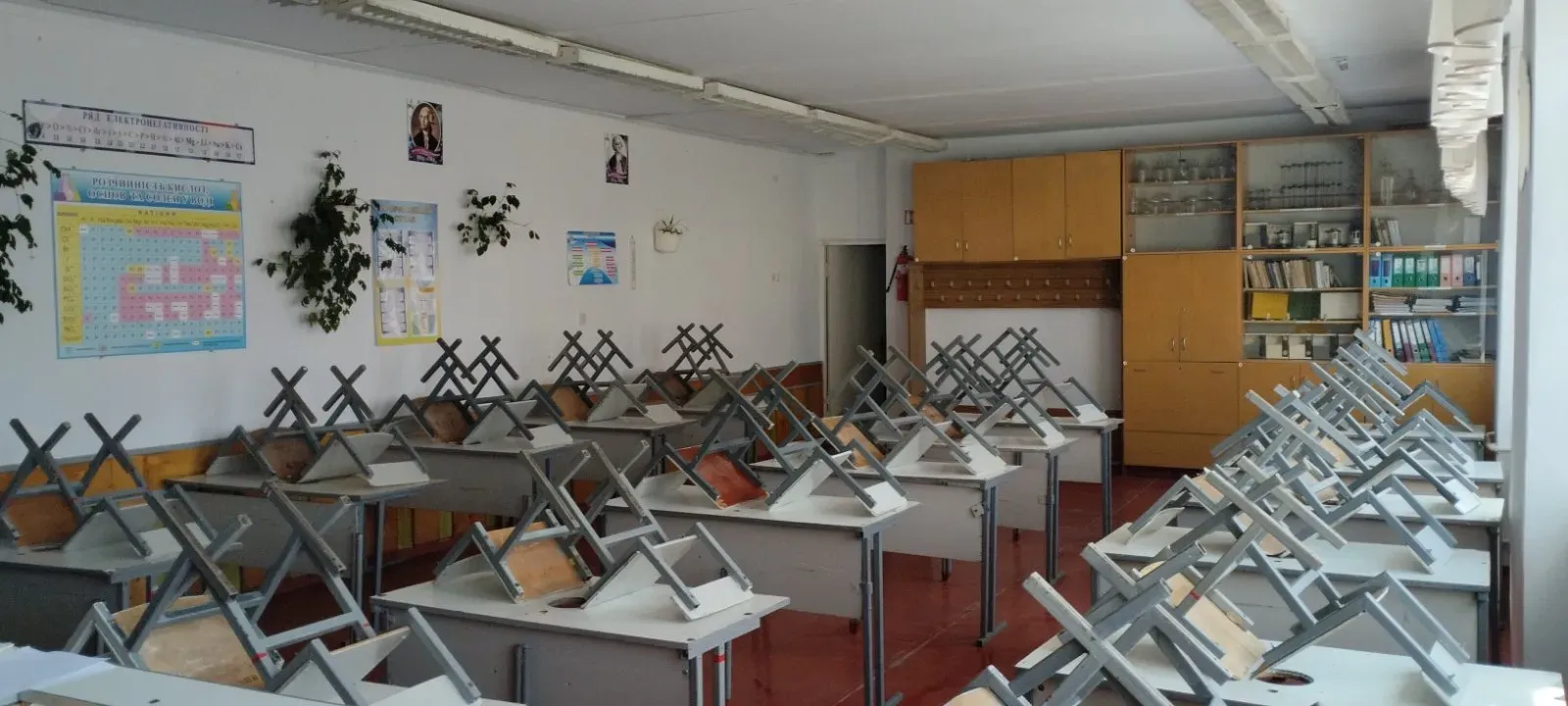
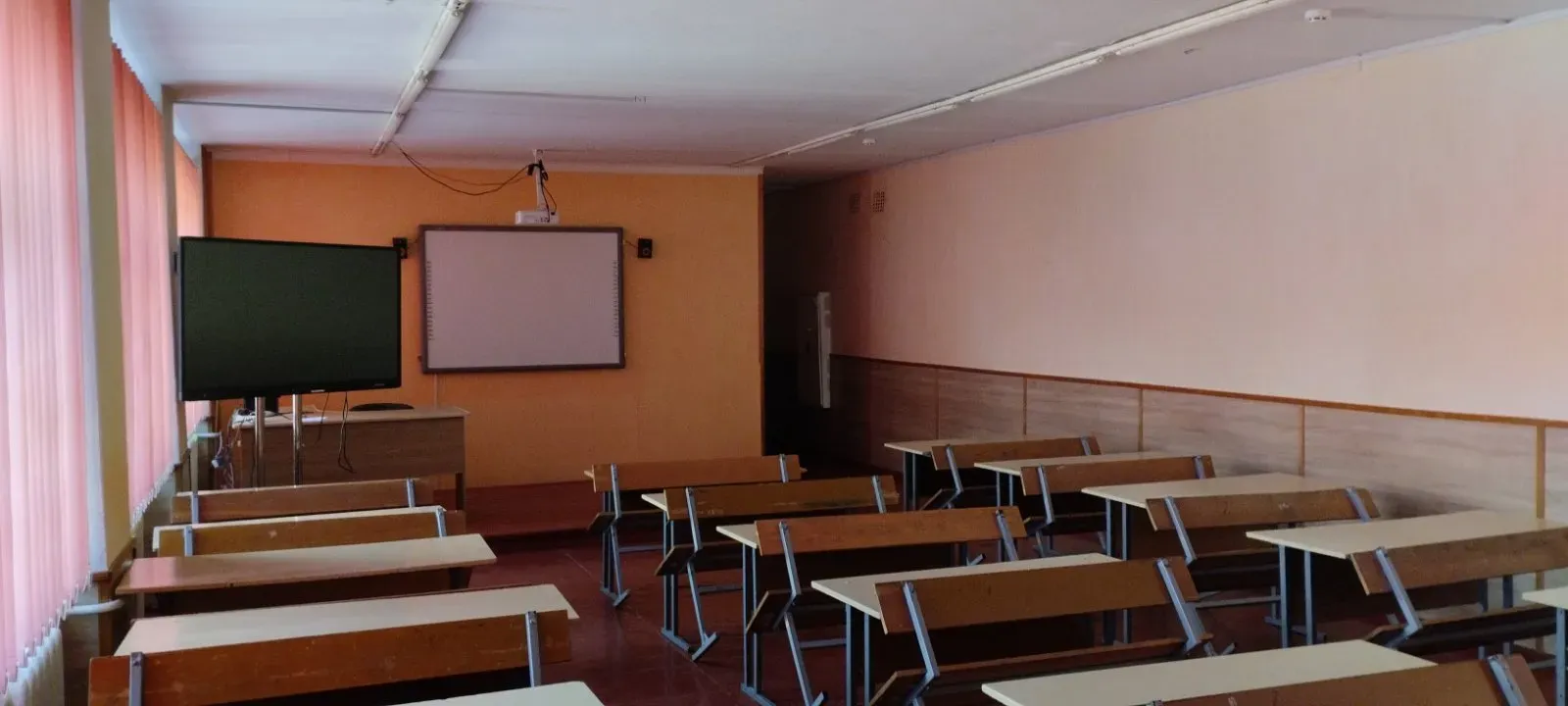
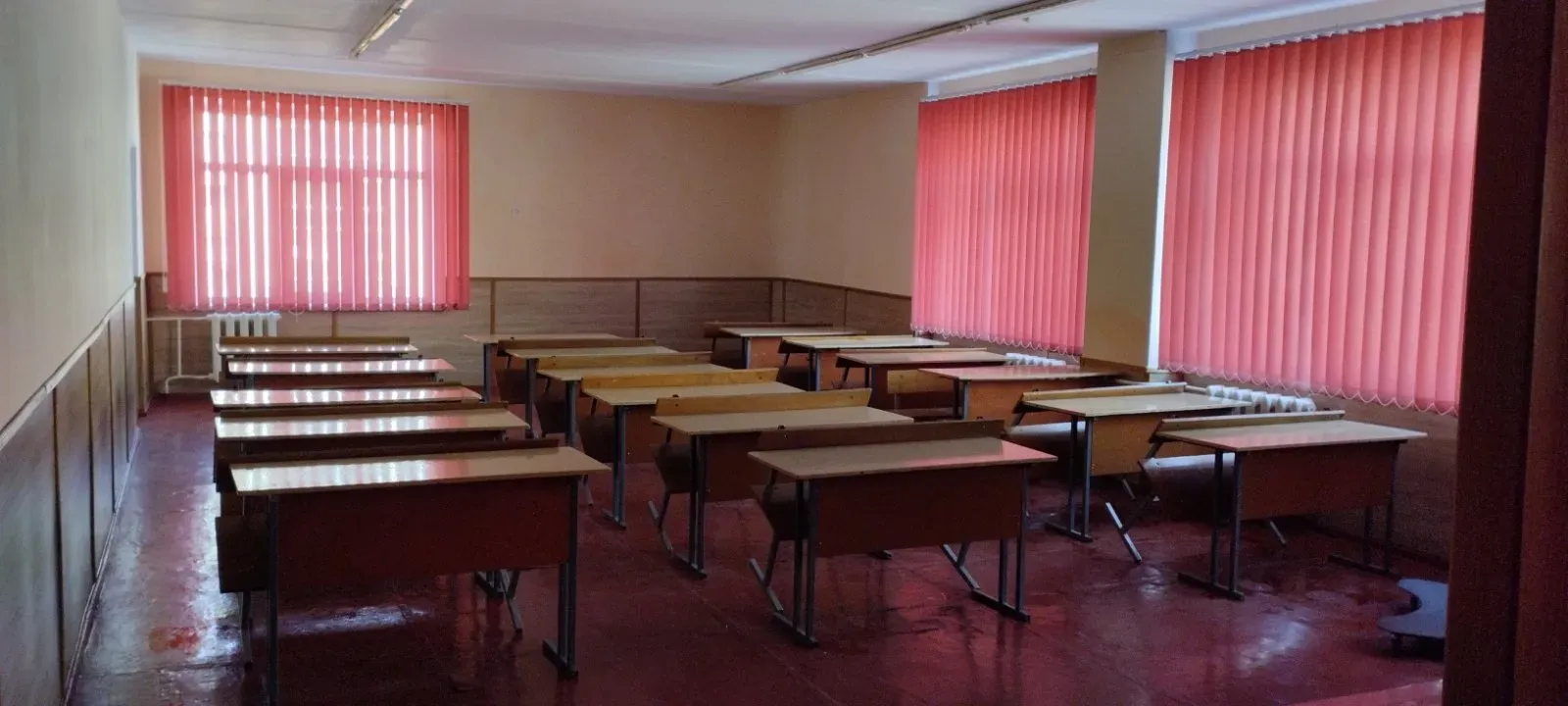
Project goal: The purpose of the public investment project is to create a modern, safe and innovative educational environment in Lyceum No. 17 of the Kamianets-Podilskyi urban territorial community by modernizing and equipping classrooms in accordance with the standards of the New Ukrainian School (NUS), which will ensure an increase in the quality of education and the formation of key competencies of students. The project involves the arrangement of 4 educational spaces in Lyceum No. 17, in particular: a biology classroom, a mathematics classroom, a chemistry laboratory, and a physics laboratory.
The project provides for the current renovation of the premises in accordance with the recommendations of the Ministry of Education and Science, which is carried out at the expense of the local budget.
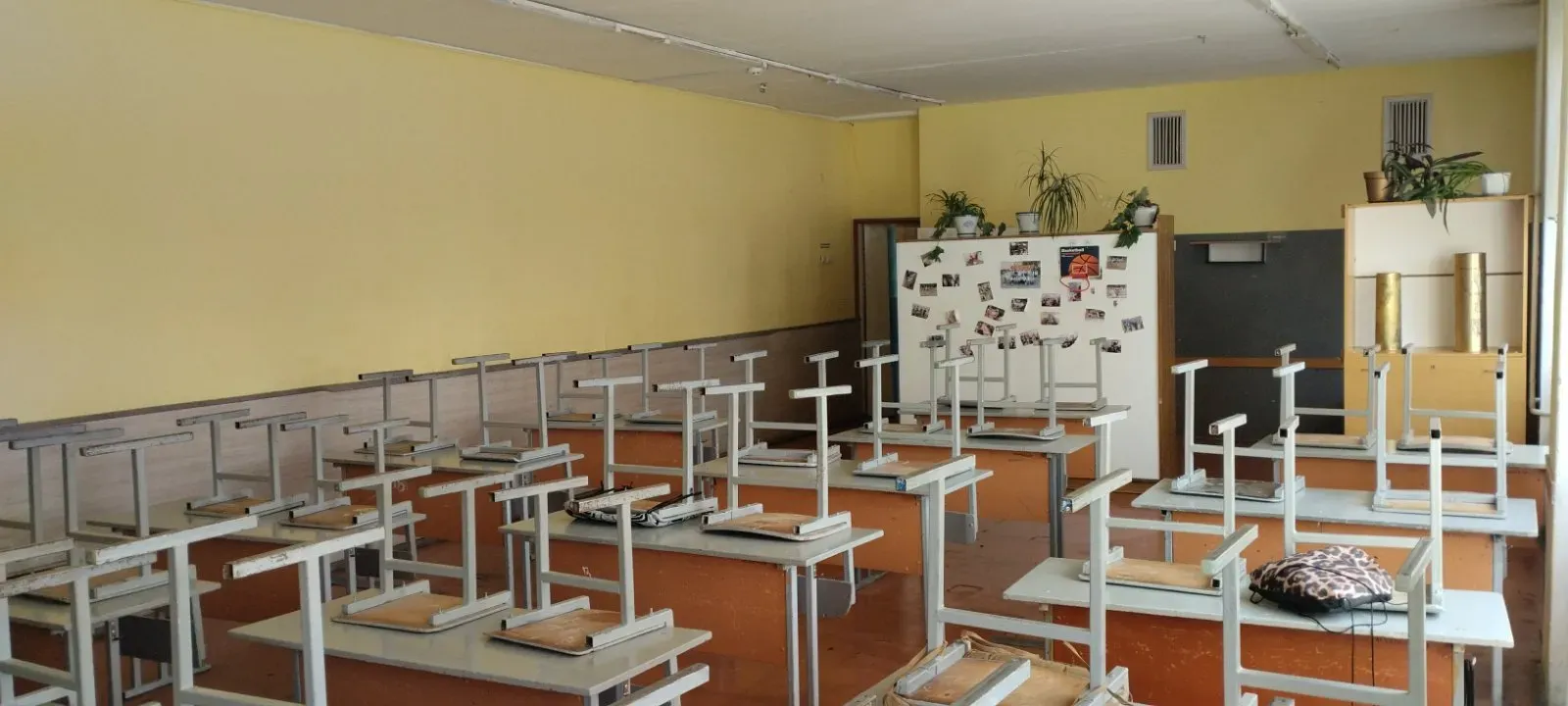
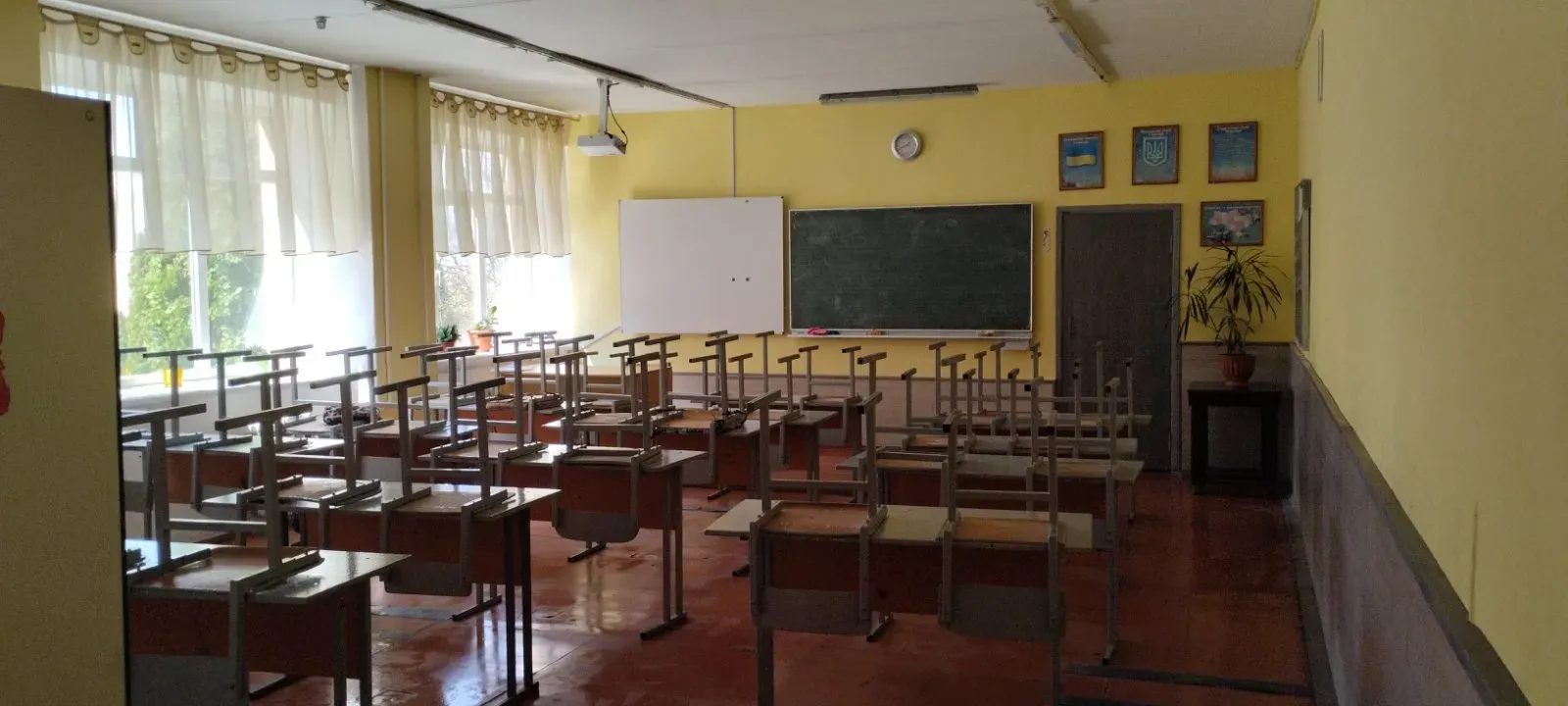
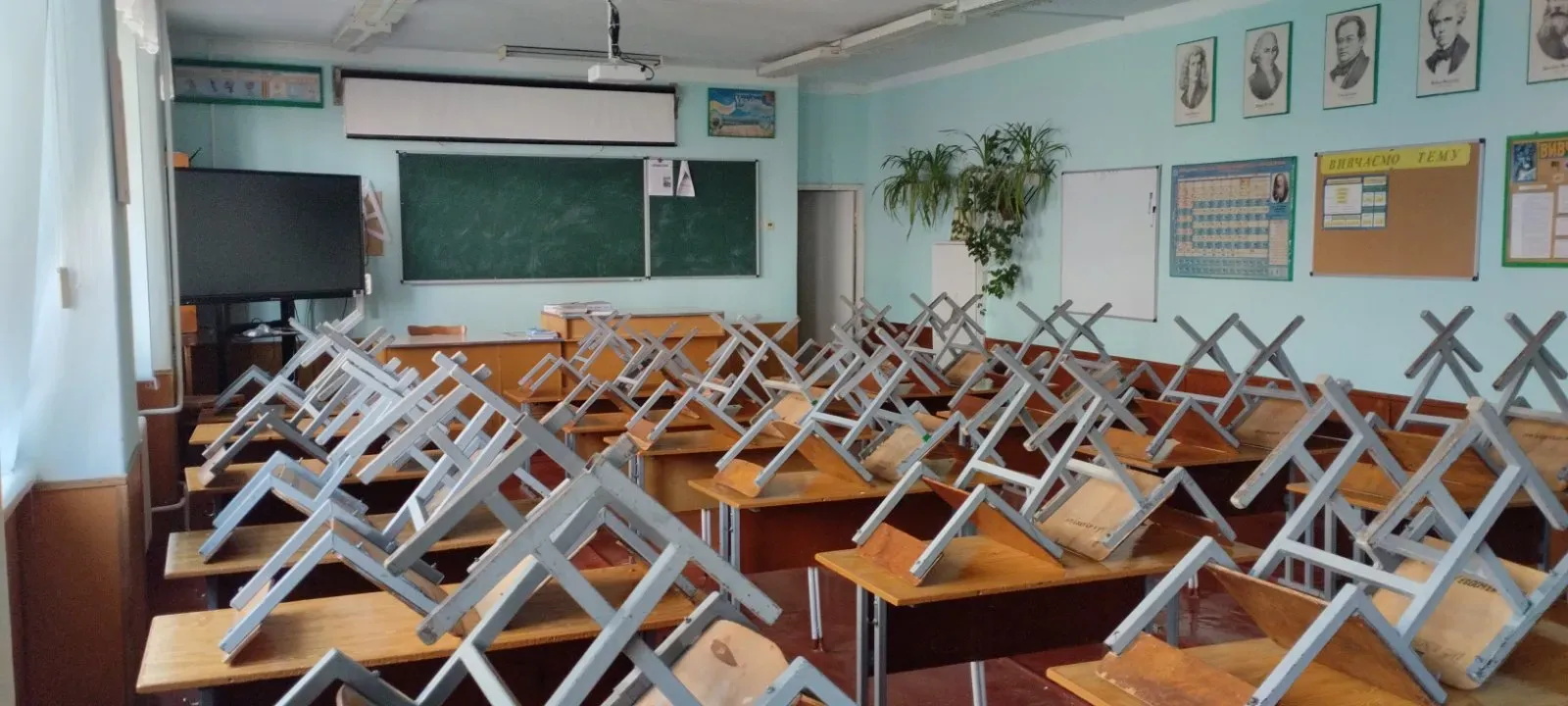
Today, the material and technical base of the classrooms partially does not meet the modern requirements of the educational process and the standards of the NUS. The available equipment is morally and physically outdated, which limits the possibilities of conducting high-quality laboratory and practical classes, the use of interactive teaching methods and digital technologies.
The planned result involves the creation of a full-fledged modern educational space that will meet state standards and principles of the National University of Science and Technology; ensure a practical orientation of learning; promote the development of critical thinking, research skills and STEM competencies; increase student motivation and the effectiveness of the educational process.
Thus, the implementation of the project will allow to bridge the existing gap between the outdated educational environment and modern requirements for the quality of education.