Projects
Filters
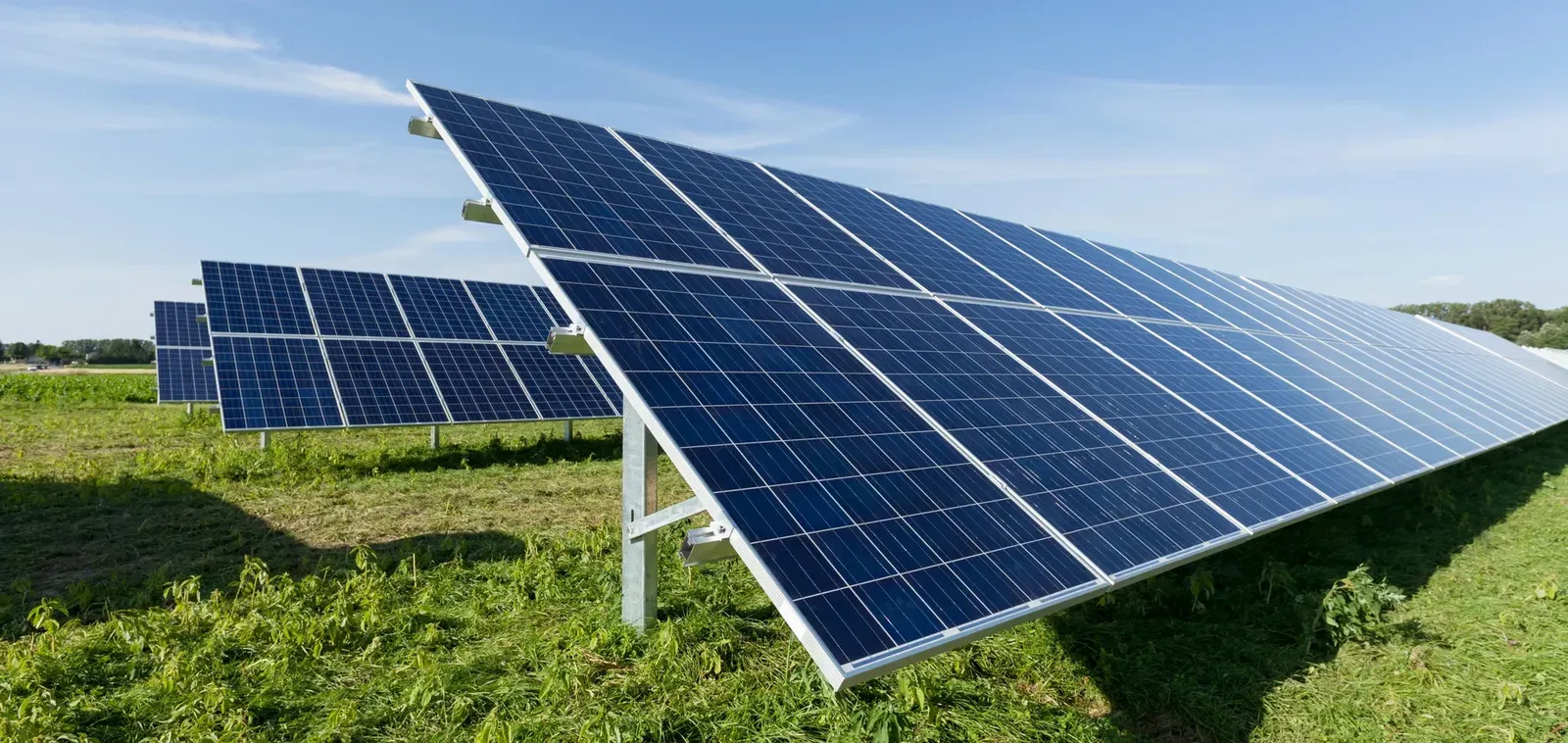
Construction of a solar power plant on the territory of sewage treatment plants, with a capacity of 150 kW, Kopachivska Street, 1, Volochysk
increasing the reliability of power supply to the critical infrastructure facility (VCVCG "Dzherelo") by reducing dependence on a single source of electricity using solar energy.
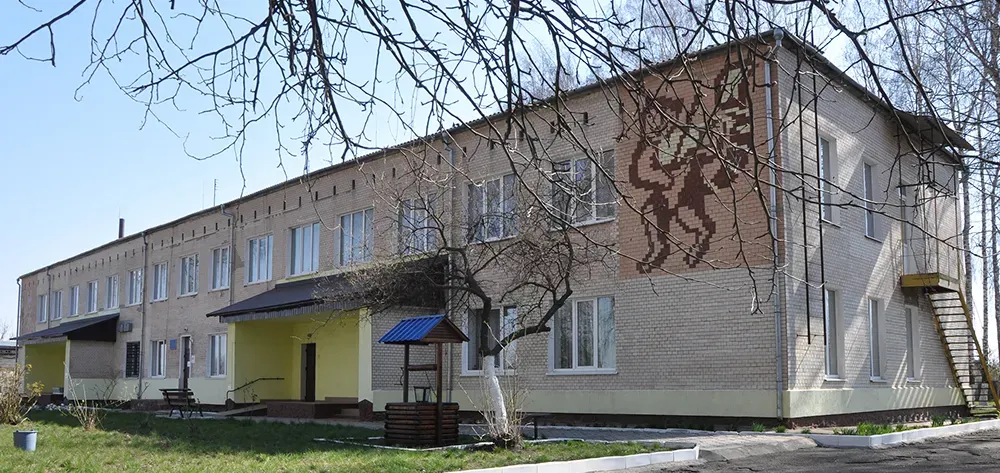
Major repairs - thermal modernization of the building of the budgetary (municipal) institution "Center for Providing Social Services" of the Volochysk City Council at 33 Symona Petliura Street in the city of Volochysk, Khmelnytskyi region. Correction
Major repairs of centralized water supply in the village of Kitaygorod
The problem the program aims to solve
In the village of Kitaygorod, the centralized water supply system is in a dilapidated state: a significant part of the pipelines are physically and morally obsolete, accidents, leaks and pressure interruptions often occur. This creates risks for the stable supply of drinking water to all households and social facilities. The problem is especially acute in the Kitaygorod Lyceum named after Olga Boreyko, where unstable water supply negatively affects sanitary conditions, the catering unit and the general comfort of children and employees.
The scale and consequences of the problem:
• regular water outages in parts of the village;
• high accident rate and increased costs for emergency repairs;
• deterioration of water quality due to worn pipes;
• risks to the health of residents and students;
• inability of social institutions, in particular the Lyceum, to operate stably;
• gradual increase in community costs due to water losses and network inefficiency.
Why the investment approach is appropriate and effective
Investments in major repairs allow us not to “patch” the consequences of the problem, but to eliminate its cause — wear and tear and technical inoperability of networks. This approach is the most effective because:
• instead of constant emergency repairs, the community receives a modern, reliable and economical infrastructure;
• one-time investments give a long-term effect for decades;
• the modernized system reduces water losses and costs for its supply;
• the quality and stability of water supply improves, which directly affects the health of the population and proper conditions in the lyceum;
• the investment project is a strategic decision that ensures sustainable development of the community.
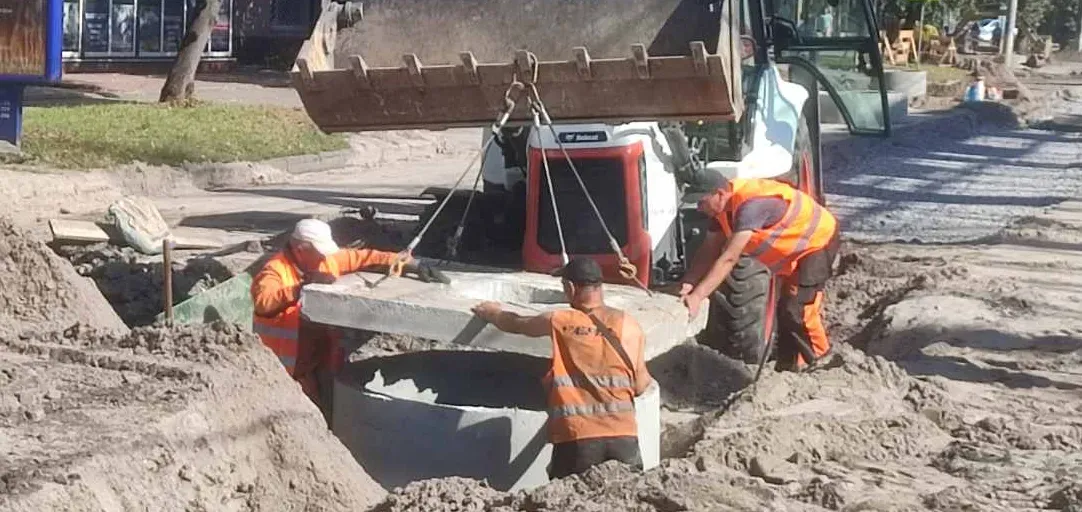
"Overhaul of Starokostyantynivske Shosse Street - installation of closed drains with connection to existing storm sewer networks in Khmelnytskyi"
External storm sewer networks are designed from the existing storm sewer well located on the existing storm sewer network on the low relief of Hetman Mazepy Street with subsequent laying by horizontal directional drilling under roads and under the railway to the cut-in into the existing storm sewer well, which is located at the intersection of Proskurivska Street and Starokostyantynivske Shose Street (route 1) with subsequent drainage of storm drains along Starokostyantynivske Shose Street to the bypass canal of the Southern Bug River (route 2).
Construction is carried out by open method along the entire length of the pipeline, and the transitions under the road and railway - by horizontal directional drilling.
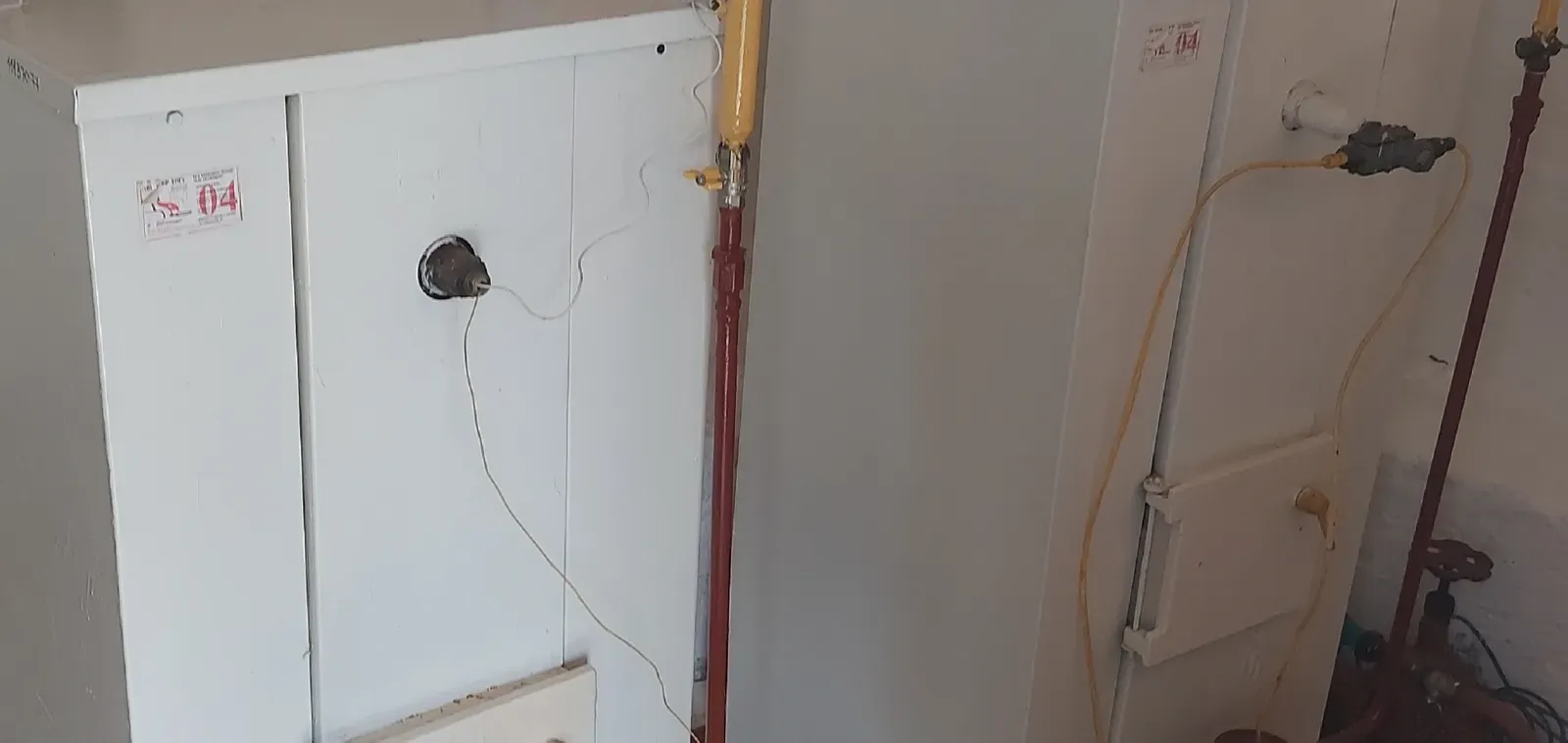
Reconstruction of existing gas networks with replacement of the VOG of the heat-generating Cherepovets branch of the Ivankovets Lyceum of the Khmelnytsky City Council at 36 Centralna Street in the village of Cherepova, Khmelnytsky region
The project involves replacing the existing gas meter with a G-6 membrane meter with temperature compensation elements and a GPRS modem in a metal cabinet with ventilation holes for the purpose of further safe operation of the equipment.
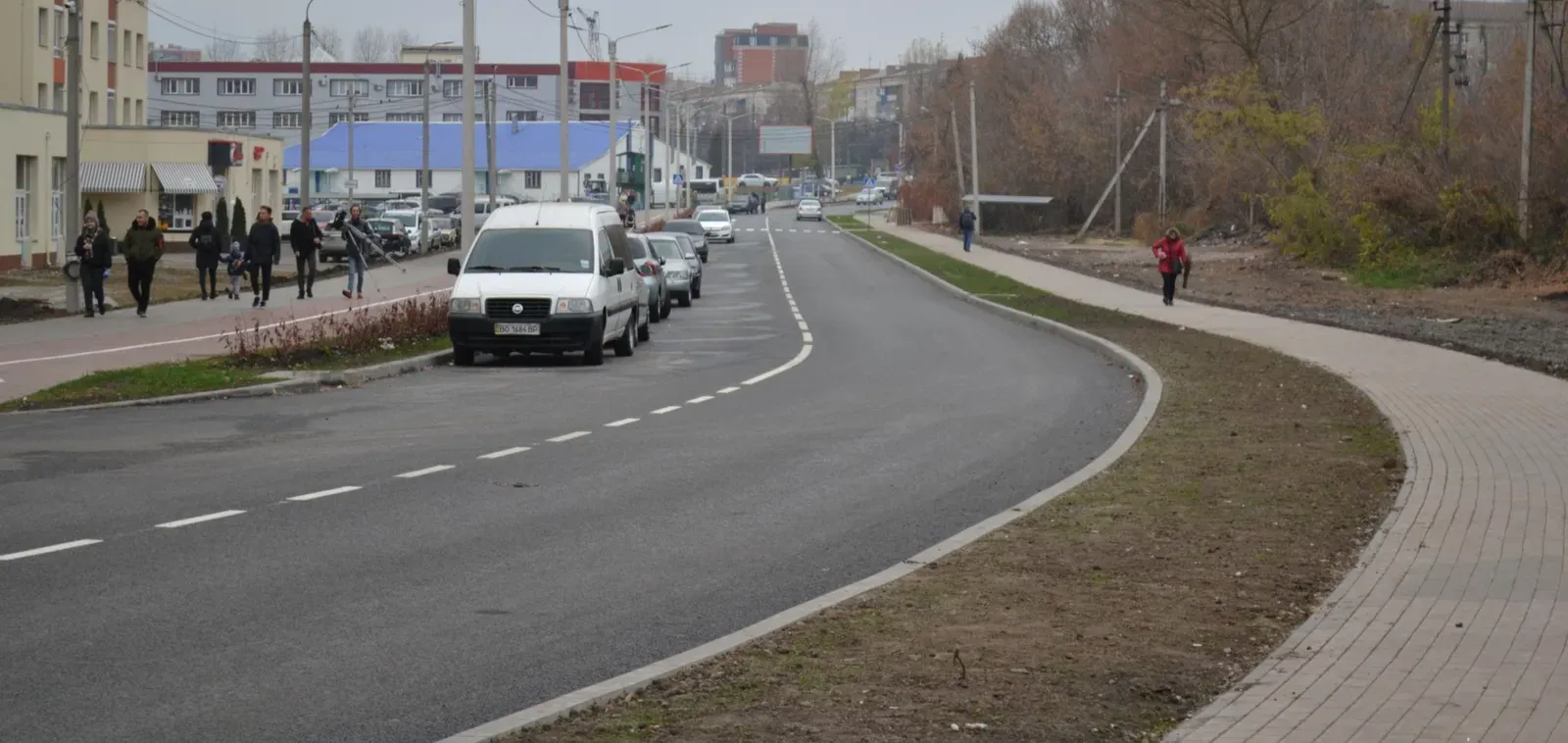
Construction of Melnikova Street (from Zarichanska Street to Trudova Street) in Khmelnytskyi (correction)
The goal of the project is to create a modern, safe and comfortable transport infrastructure in the northern part of the city of Khmelnytskyi by building a new Melnikova Street, which will provide an effective connection between Zarichanska Street, Starokostyantynivske Highway and Trudova Street, improve intra-city mobility and promote the further development of adjacent residential and public areas. The goal is to be achieved by building a full-fledged street with a two-lane carriageway (2×3.75 m), arranging safety strips (2×0.3 m), two-way sidewalks 2.25 m wide, a two-way bicycle path 2.5 m wide, as well as a green area with about 900 turf bushes. The comprehensive creation of transport and pedestrian infrastructure will include the installation of road surfaces, drainage systems, lighting, landscaping and traffic safety.
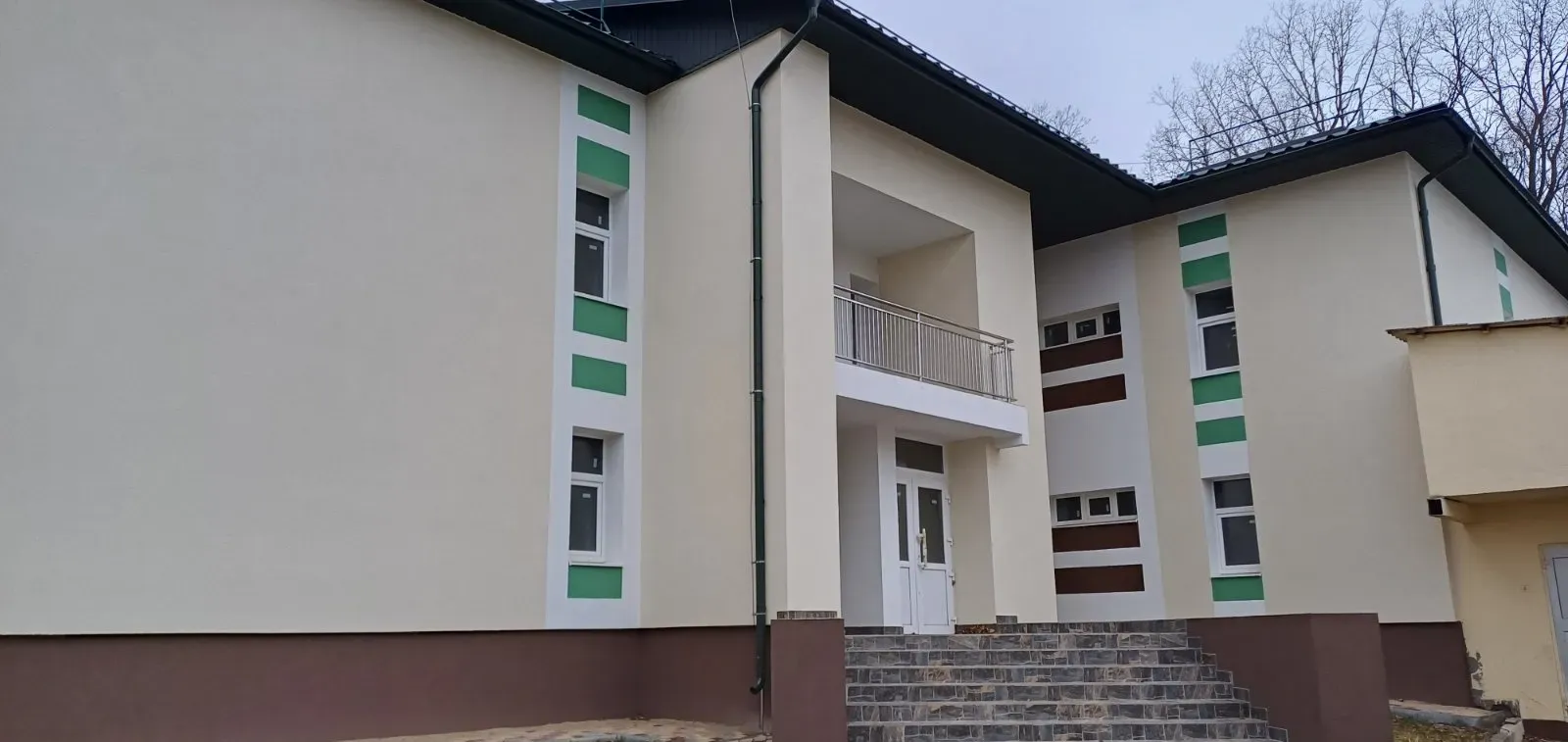
Major renovation of the premises of the building of the medical and health complex "G-2" of the Out-of-town children's health and recreation institution "Chaika" of the Khmelnytskyi City Council at the address: Khmelnytskyi region, Khmelnytskyi district, village of Holovchyntsi, Pidlisna st., 4/1 with the implementation of energy efficiency measures
The goal of the project is to create modern, safe and energy-efficient conditions for the functioning of the medical and health complex "G-2" through a comprehensive overhaul of the building, redevelopment of the premises in accordance with functional needs and the introduction of a full cycle of engineering systems that the facility did not previously have. The goal will be achieved by implementing architectural and construction works, arranging internal water supply and sewage networks, installing a new modular heating and hot water supply system, which is being installed for the first time due to the complete absence of heating, arranging ventilation, modernizing electrical networks, installing an automatic fire alarm system, a centralized fire surveillance system and a people evacuation control system. The current condition of the building is characterized by significant physical deterioration of structures, the absence of any heat engineering systems, non-compliance with energy efficiency requirements, sanitary and fire safety standards, as well as irrational planning, which limits the possibility of its use for its intended purpose. The target state involves the creation of a completely renovated, energy-efficient, safe and functional facility, equipped with modern engineering networks, rational planning and a high level of comfort, which will ensure effective and long-term operation of the complex.
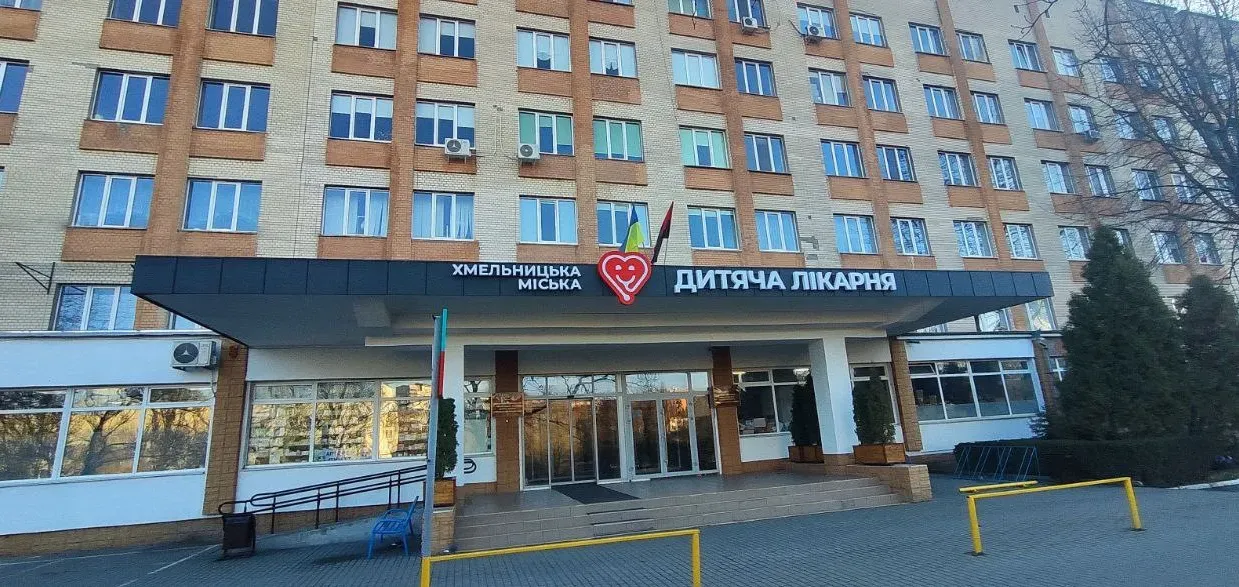
Reconstruction of the Department of Physical Rehabilitation and Neurology of the Municipal Enterprise "Khmelnytskyi City Children's Hospital" of the Khmelnytskyi City Council at the address: Khmelnytskyi, Oleha Olzhycha St., 1
- The facility complies with the standards of the State Code of Civil Procedure, the State Emergency Service;
- Measures are provided for the needs of low-mobility population groups;
- Energy saving measures are provided;
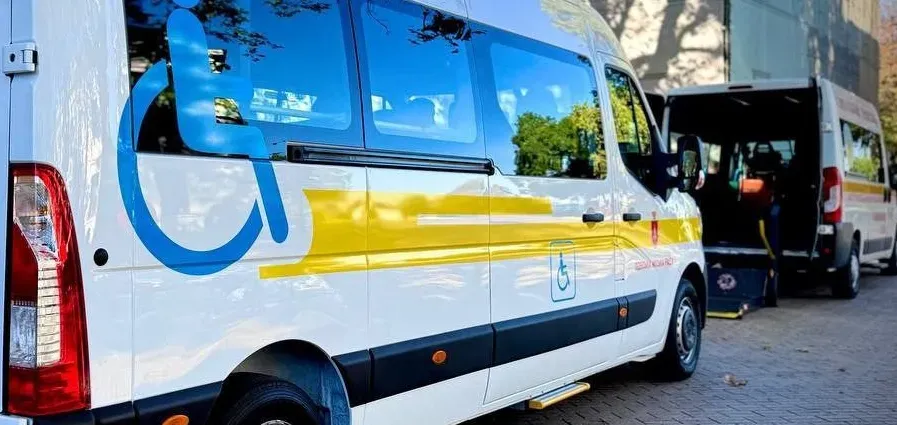
"Implementation of a transport service for people with disabilities in the Starokostyantynivska urban territorial community ("Social taxi")"
Indicators of goal achievement. 1. Creation of an inclusive transport service (one car meets the requirements of barrier-free; 8-12 people per month will be able to use the service; 150-200 trips per year). 2. Increasing access to vital services (70-80% of users will be able to receive medical and social services without passes due to the lack of transport, which will result in at least 50% of trips to medical institutions, at least 20% to social services/rehabilitation; up to 10% participation in public and cultural life). 3. Reduction of social isolation (increase in the level of participation in public life by 30-40% among users; users will be able to attend at least 2 events per month thanks to transport). 4. Increasing equality of opportunities in villages (up to 60% of trips; reduction of travel time to services from 1-2 hours to 20-40 minutes). 5. Improving the quality of social services (100% of users can plan trips in advance; average waiting time for a car is no more than 15-30 minutes compared to the agreed time; 0 cases of refusal due to lack of available transport (or less than 5% in case of force majeure)
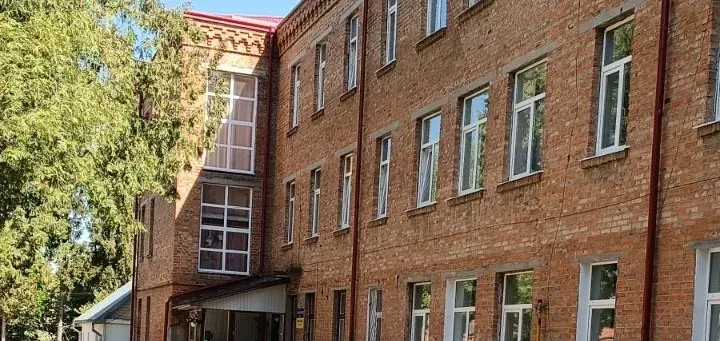
Major repairs - thermal modernization of medical building No. 2 (cardiology, gynecology, maternity departments) of the Volochysk Multi-Profile Hospital at Nezalezhnosti, 68, Volochysk, Khmelnytskyi region. Corrections
insulation of the facade, overhaul of sewerage networks. replacement of window blocks - will provide a comfortable microclimate in the premises, will save the building from destruction
Construction of a block-modular gas boiler house with a capacity of 2 MW at the address: Khmelnytskyi region, Khmelnytskyi district, Krasyliv territorial community, Krasyliv city, M. Hrushevsky str. (near Krasyliv gymnasium No. 2)
The purpose of installing a modular boiler house is to provide a reliable and efficient source of heat supply for communal facilities of the community - gymnasiums and youth sports schools. It allows you to solve several important tasks:
Main goals and advantages:
1. Providing heat supply:
o The main goal is to provide heat in heating and hot water supply systems for facilities for various purposes.
o Modular boiler houses can operate on different types of fuel (gas, solid fuel, biofuel, electricity, etc.), which allows you to choose the most economically feasible option.
2. Installation speed and mobility:
o Due to the modular design, such boiler houses are installed much faster than traditional boiler houses.
o They can be moved or installed in a new location, which makes them ideal for temporary facilities or when building new complexes.
3. Energy efficiency:
o Modular boiler houses often have a high level of automation and can provide precise temperature and power control, which contributes to energy savings.
o Thanks to modern technologies, they provide high fuel combustion efficiency and minimal emissions of harmful substances.
4. Minimization of capital costs:
o The cost of installing a modular boiler house is significantly lower than a traditional stationary boiler house, since most of the work is performed at the factory.
o This also reduces construction costs, since the units are already ready for installation on site.
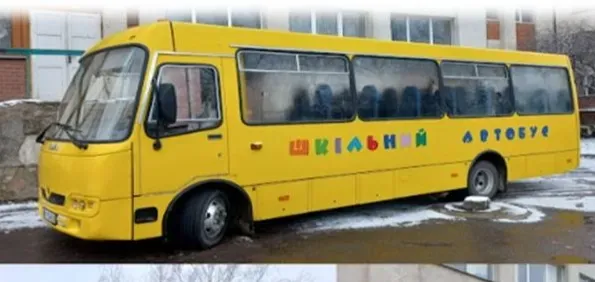
Purchase of a school bus
The aim of the project is to purchase a new, modern school bus that will meet high standards of safety, environmental friendliness, comfort and cost-effectiveness to ensure high-quality transportation of students to educational institutions. The main goal is to improve the conditions for safe and comfortable transportation of students, reduce operating costs for transport services, and contribute to reducing the environmental burden through the use of more environmentally friendly vehicles.
The project also aims to reduce the burden on the city's transport infrastructure, improve the conditions for transporting students in the face of a constantly growing number of children who need transportation, and reduce the risks associated with the operation of outdated vehicles. Method of achieving the goal:
Analysis of needs and requirements:
Conducting a detailed analysis of current needs for student transportation, determining the optimal number of seats in the bus, requirements for safety, comfort and environmental friendliness.
Consultations with educational institutions, parents and other stakeholders to determine the most relevant requirements for a new bus.
Supplier and bus type selection:
Conduct a tender or request for proposals among bus suppliers, taking into account the required characteristics: the presence of safety systems (e.g. video surveillance, anti-lock braking system), environmental standards (low CO2 emissions), fuel efficiency, comfort for students.
Selection of the supplier that can offer the most favorable conditions in terms of price, quality and delivery time.
Purchase and delivery of the bus:
Signing a contract with the selected supplier and organizing the process of purchasing and delivering the bus.
Determining the requirements for maintenance and warranty obligations of the supplier.
Preparation for operation:
Conducting the necessary training for drivers and accompanying personnel on the specifications of the new bus, as well as safety rules for transporting students.
Conducting the first inspection of the bus after delivery to verify its compliance with the declared technical characteristics.
Monitoring and evaluation of performance:
Implementing a system for monitoring fuel costs and maintenance of the new bus to assess its economic efficiency.
Regular assessment of transportation safety and student and parent satisfaction with new transportation conditions through surveys and feedback.
Assessment of environmental impact, in particular, reduction of emissions and fuel consumption.
Implementation of additional measures:
If necessary, implementation of additional measures to improve transportation efficiency, such as route optimization or additional safety equipment. Expected results:
Increased transportation safety: Thanks to modern safety systems and comfortable conditions for students, the new bus will provide a high level of protection during transportation.
Cost reduction: The new transport will reduce maintenance and fuel costs compared to outdated buses.
Environmental improvement: The use of a bus with low emissions and high fuel efficiency will reduce the burden on the environment.
Student comfort: Thanks to comfortable seats, control systems and video surveillance, students will have more comfortable and safe travel conditions.
Transportation optimization: A modern bus with greater capacity will meet the growing needs for student transportation.